



Lucy Bathija
Learn about how our 266 year heritage continues to influence everything we do today, from the skills we preserve to the products we develop for the future.
Our story
When it comes to scissors, it is easy to think of them as a simple tool, most households and workplaces have a few pairs lying around, we expect them to just be there whenever we need them.
Not many think much about how they cut, just two sharp blades and a handle, they open and close, and therefore should cut, but behind a well-made pair of scissors is far more than that.
There is the material, the design, the precision of the blades and how they feel in your hand. There are the skills needed to shape, grind, assemble and finish them, and the people with those skills. In Whiteley’s case, there is more than 265 years of scissor-making.
From traditional tailoring shears to specialist industrial scissors, Whiteley continues to make cutting tools in Sheffield, combining generations of traditional craftsmanship with innovation.
Whiteley is a Sheffield scissor manufacturer with a history stretching back to 1760.
Our story began alongside Sheffield’s development as a centre of steel and specialist manufacturing. Over the years, Whiteley has evolved with the industries and people around us, while remaining rooted in the city where our story began.
Today, we are one of the few remaining scissor manufacturers in Sheffield, continuing to make products here for customers all around the world.
Our heritage is an important part of who we are, but it isn’t simply something we look back on. It influences how we approach what we do today – from the skills we preserve to the products we develop for the future.
More than 260 years of making
There are very few manufacturers that can trace their story back more than two and a half centuries.
The start of our journey is officially recorded as being in 1760, although research suggests the Whiteley family’s connection to scissor making reaches even further back. Over the years, the business has grown, adapted, and evolved alongside Sheffield and the world around us.
Our history also includes other important names in Sheffield’s scissor-making lineage.
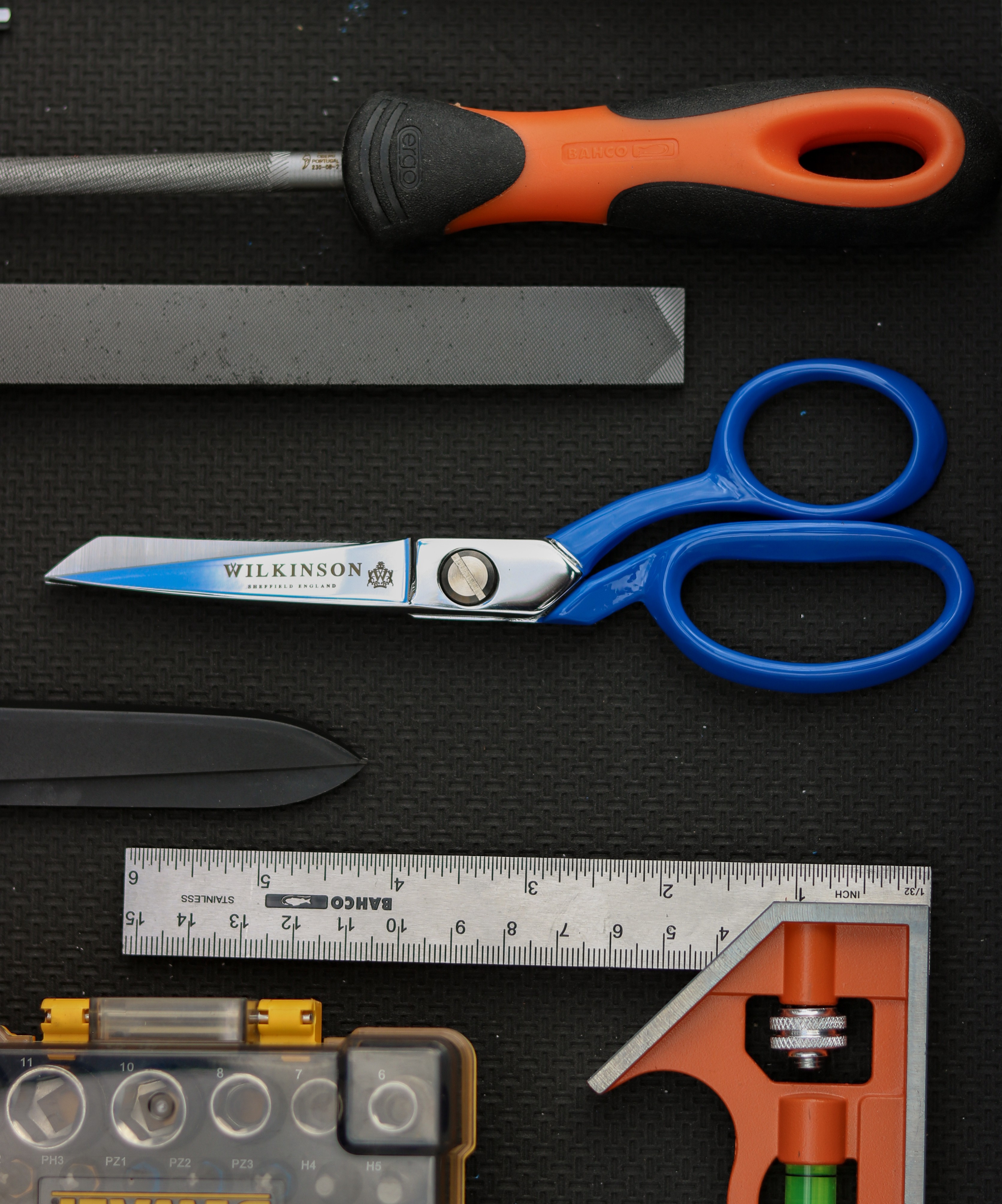
In 1879, William Whiteley acquired the assets and trademarks of Thomas Wilkinson & Son, bringing together two established Sheffield names. The Wilkinson name and designs remain part of Whiteley today, including our range of Wilkinson tailoring and fabric shears which incorporates the sidebent design.
The history of Whiteley is therefore not simply one story. It is a story shaped by generations of makers, businesses, and ideas that have contributed to the scissors we make today.
Want to explore our history in more detail? Discover how Thomas Wilkinson became part of Whiteley here, and the long history of Whiteley here.
Why choose Whiteley?
People often hear the word traditional and assume things have stayed the same. For us, traditional craftsmanship does not mean refusing to use modern technology or keeping things the exact same as they were in 1760. It means recognising where experience, judgement and skills passed down make a difference.
Every pair of scissors has its own requirements. The blades need to meet correctly, the tension needs to be right, and the finished tool needs to feel balanced and comfortable when used. These are the details that matter, especially when you feel the difference between a pair of scissors that does not take this into consideration.
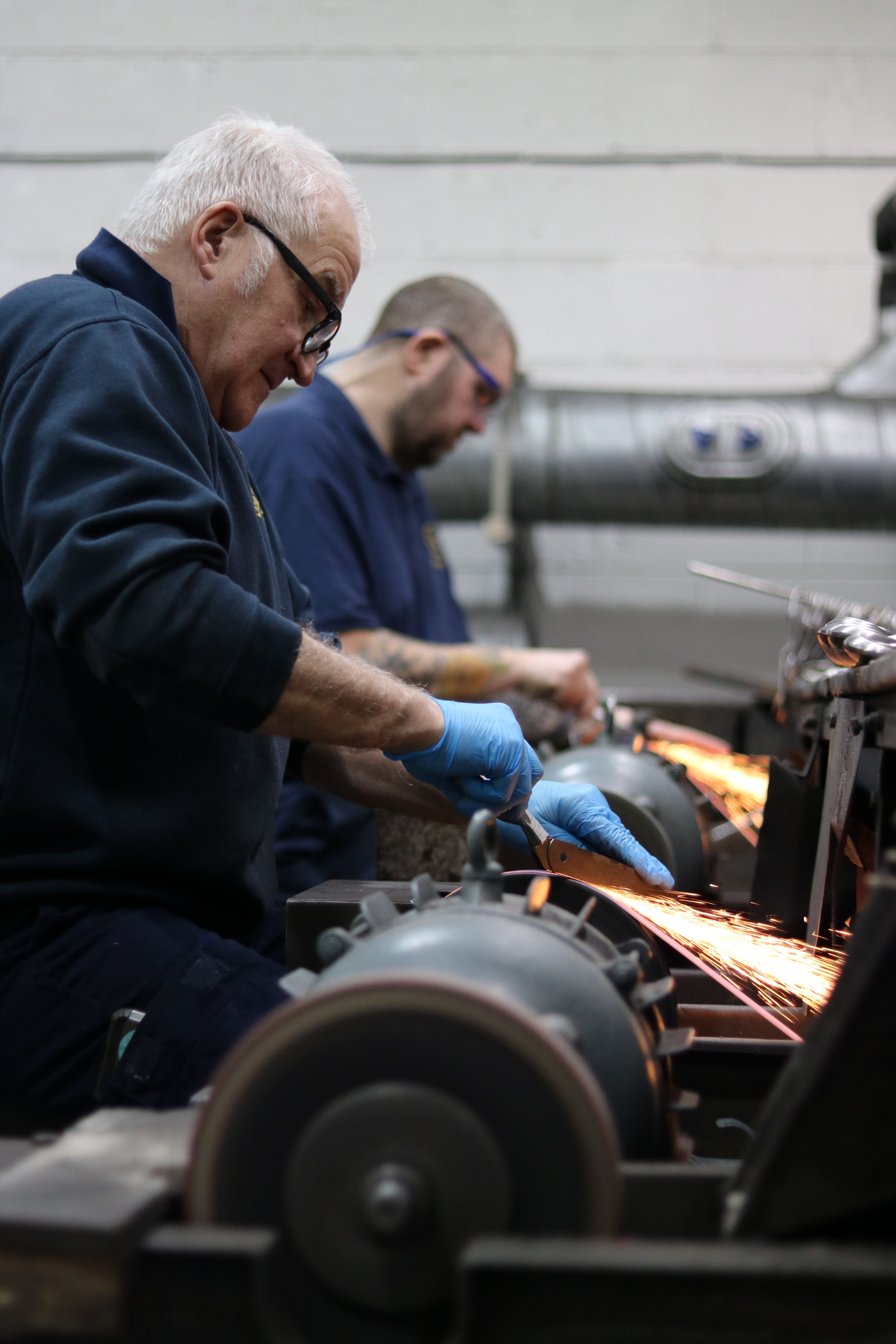
Our craftspeople work through the individual stages of manufacture and inspection, making adjustments where necessary to achieve the required finish and performance. It is this combination of traditional skill and careful manufacturing that sets our scissors apart from mass-produced alternatives.
Want to see the process behind our shears? Click here for a closer look at the process and craftsmanship behind our products.
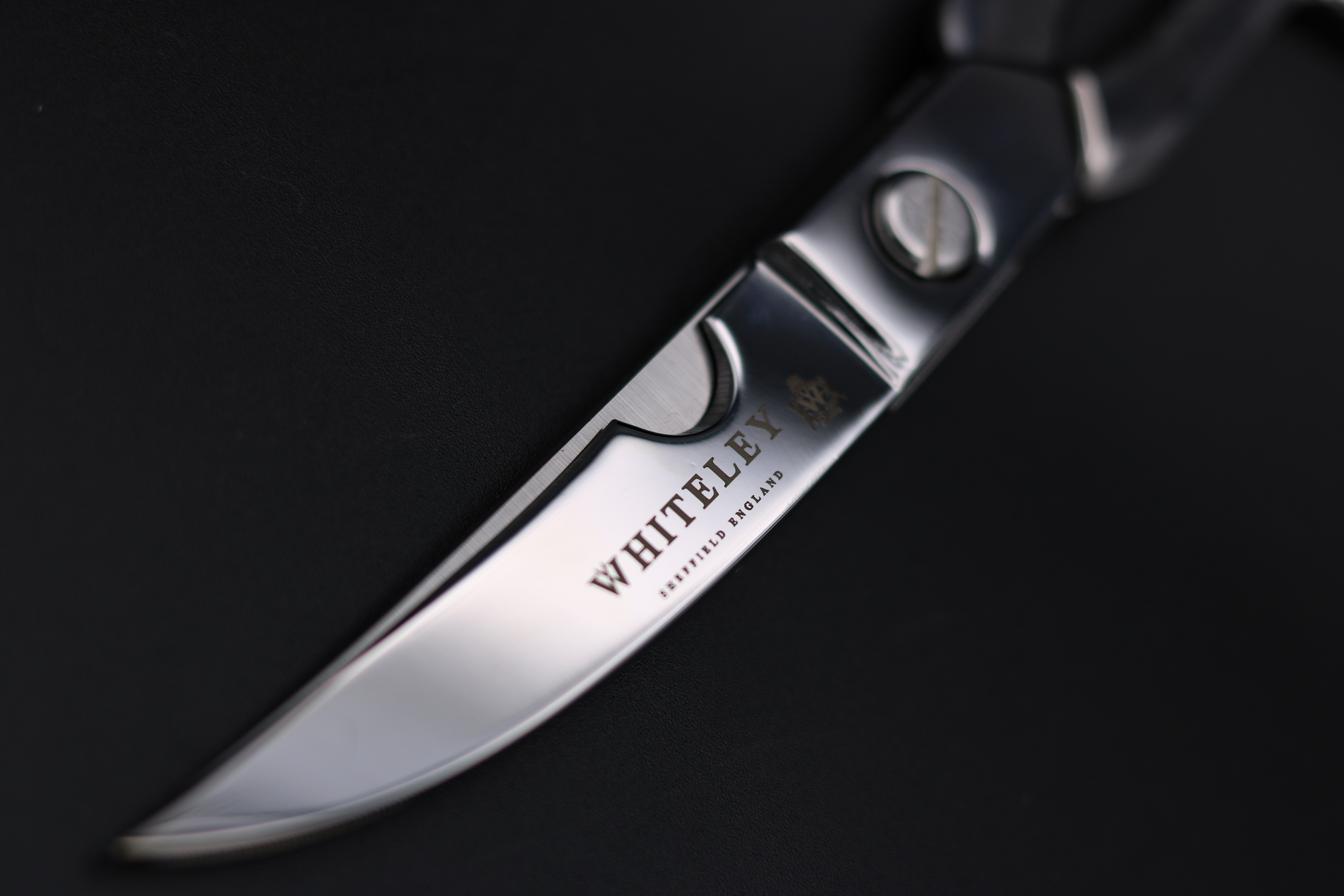
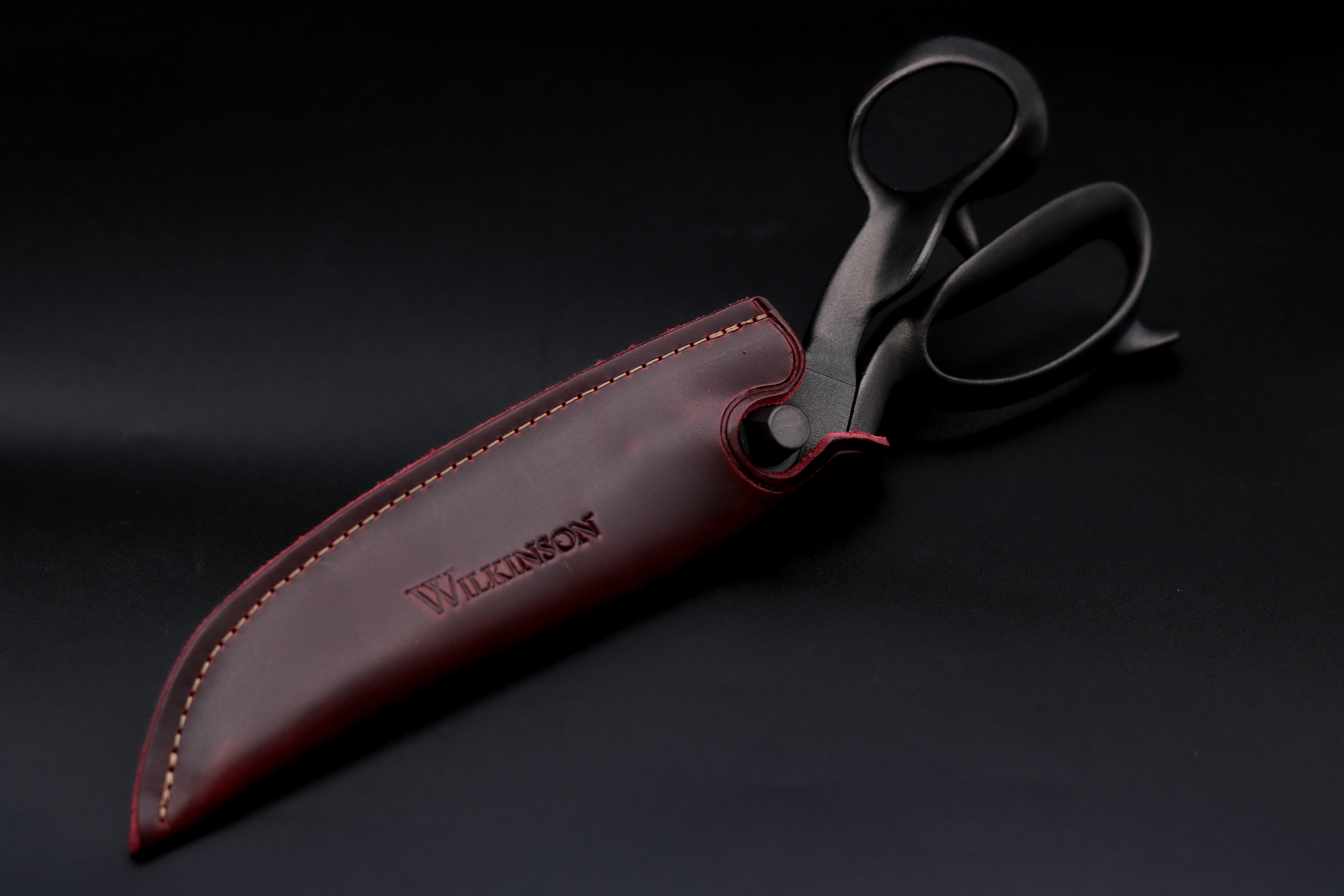
Making scissors for a purpose
Not every pair of scissors needs or should do the same job.
A tailor needs a different tool from a gardener. A dressmaker cutting delicate fabric has different requirements from someone working with advanced materials. Kitchen scissors, craft scissors, household scissors and specialist cutting tools all need to be designed around their intended use.
That is why our range covers not only a broad variety of applications, but within those, a range of sizes and aesthetics, so that you can find your perfect pair.
We make scissors and shears for tailoring and dressmaking, sewing and crafts, kitchens and households, gardening, and specialist industrial applications, as well as products developed for advanced materials such as composites.
We do not simply make cutting tools and decide what they should be used for. Over the years, we have looked at what people need their scissors to do and have implemented that into our development process.
From traditional craft to advanced materials
Being a manufacturer with a history stretching back to 1760 doesn’t mean standing still and keeping things the same.
The industries we supply continue to change, and so do the materials and applications our customers work with.
That has led us to explore new materials, coatings, designs and manufacturing techniques alongside the traditional processes that have defined Whiteley for generations.
Our Advanced Materials & Composite range is an example of this approach, bringing specialist materials and modern manufacturing together to create scissors for demanding applications.
For Whiteley, innovation and heritage are not opposites, they complement one another in the best way.
Our heritage gives us the knowledge and experience to understand how cutting tools, such as scissors and shears, work. Innovation allows us to take that knowledge into new applications and develop tools for the way people need and want to apply them today.
To read more about our Advance Materials & Composites Range, click here.
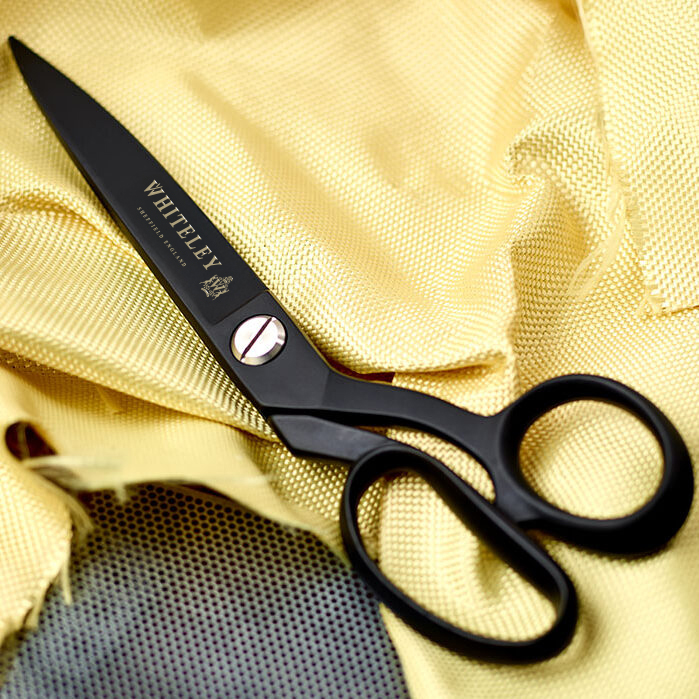

Sheffield-made
Sheffield is more than simply where Whiteley happens to be based – it is a large part of who we are and what we do.
The city has been synonymous with steel, cutlery and specialist manufacturing for centuries, and Whiteley has grown alongside that tradition. We have also moved our workshop to a few different locations in the city, including Gibraltar Street in the late 1700s, before settling in 29 Rockingham Street from 1876 until 1975, then moving down the road to Garden Street and residing here until the mid-2000s. We have now been at our current site near Rother Valley, for coming up to 20 years.
Our workshop gives those invited to visit the opportunity to see that heritage first-hand. From the historical shears we have preserved, to the processes still taking place on the workshop floor today, as well as the people behind it all.
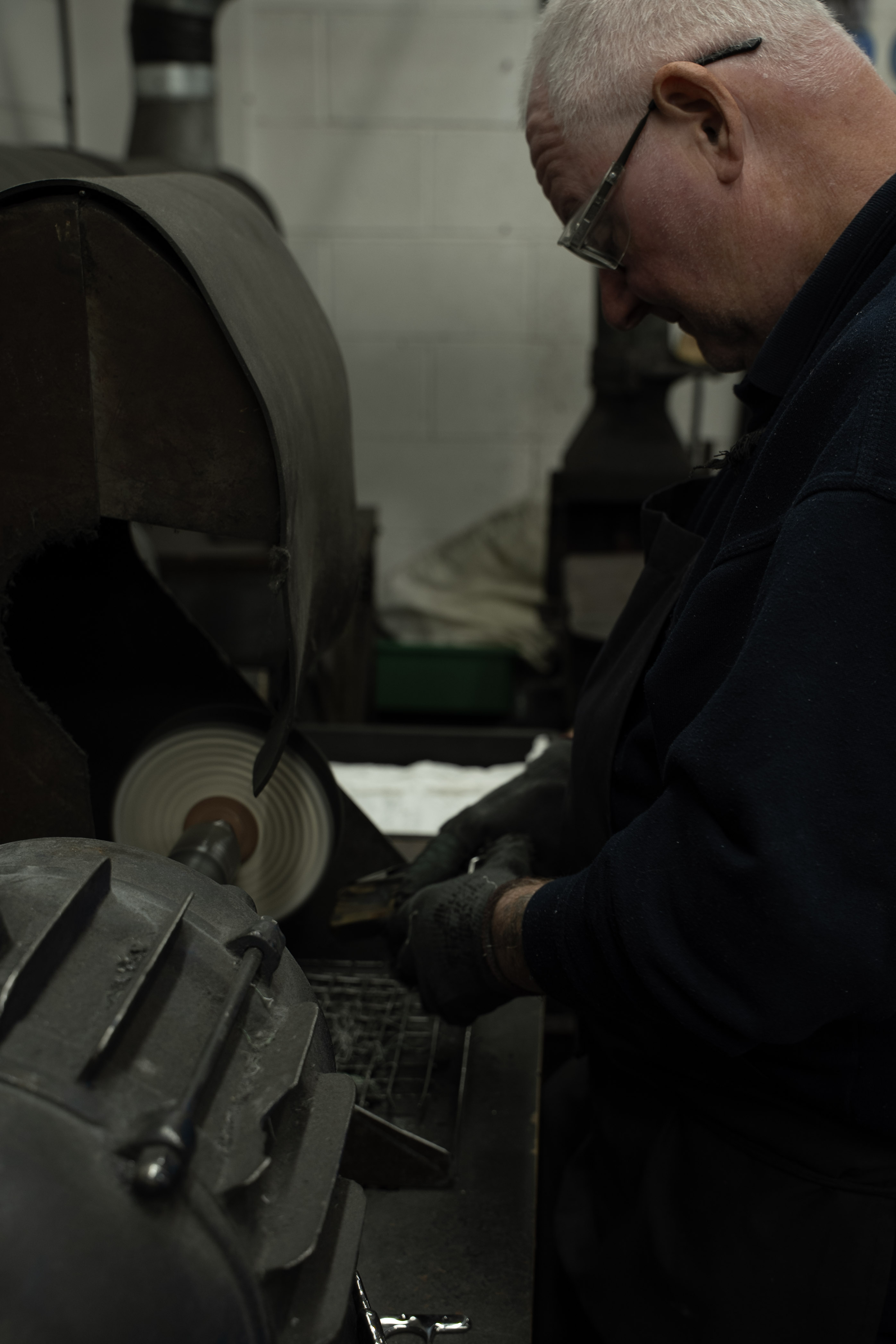
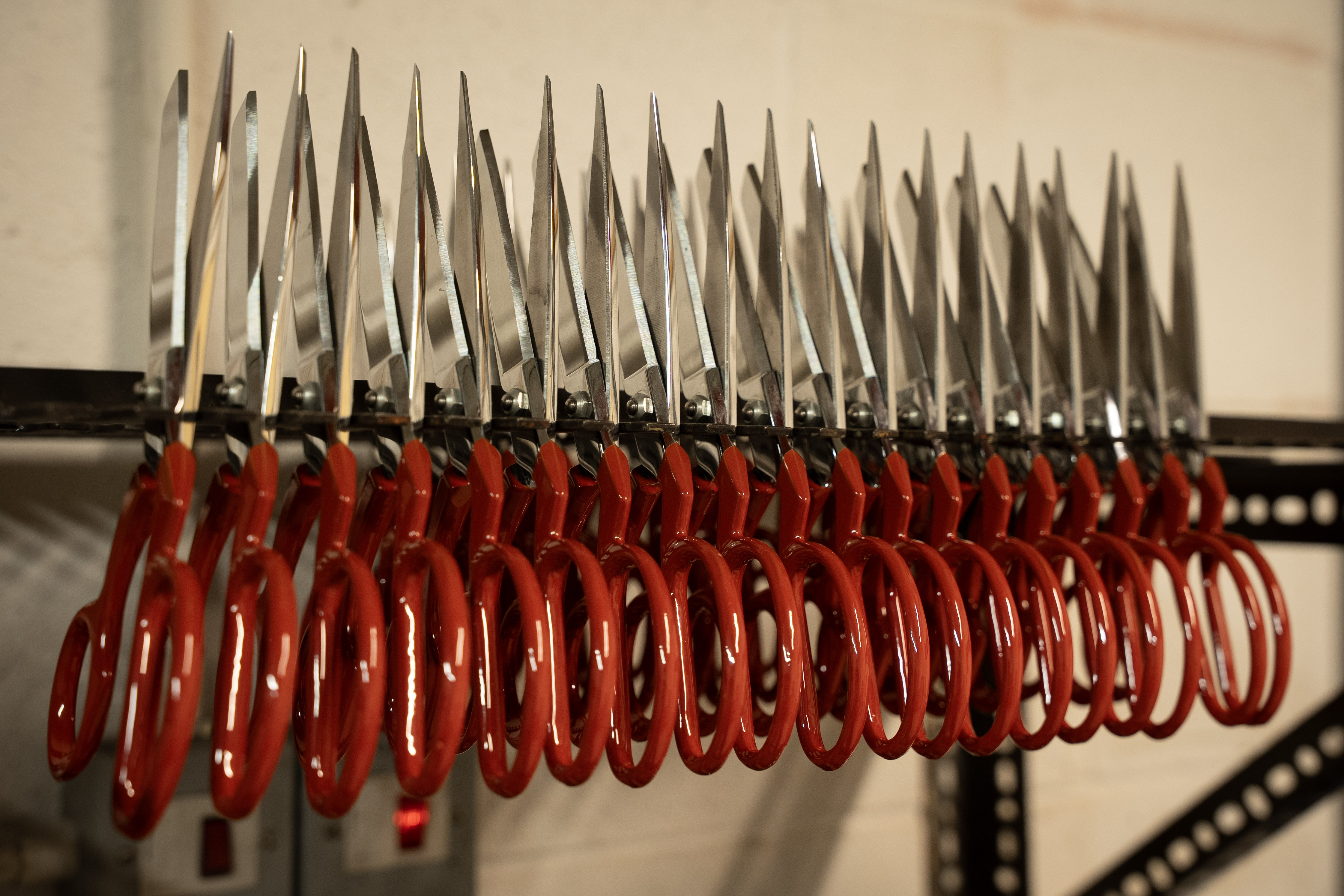
During our open day in 2024, guests were able to see our processes, such as bow-dressing, polishing, final assembly and japanning.
It was a reminder that the story of Whiteley is not just found in archives, old photos, or historical products. It is being written every day, from the moment the door opens in the morning, till it shuts at night.
Want to take a closer look? Read about our factory open day and see behind the scenes of Whiteley here.
Designed to last
We believe a good pair of scissors should be something you can rely on. Whether they are being used in a professional workshop, a sewing room, kitchen, garden or factory, scissors should perform consistently and feel right in the hand. That is why quality matters at every stage.
We want the tools we make to be tools that can stay in use for years and, where possible, become part of someone’s story for generations.
We have heard from customers who continue to use the same Whiteley scissors and shears that have been passed down through their families, with some pairs still performing after more than a century. That is perhaps the best measure of a well-made pair of scissors.
Looking to the future
Whiteley has already seen more than 265 years of change.
We have seen industries transform, manufacturing evolve, and new technologies emerge. We have moved through different generations of craftsmanship while continuing to make scissors in Sheffield, and we are still adapting.
We are investing in new products, exploring new materials and applications, and encouraging the next generation to learn the skills needed to keep scissor making alive by offering opportunities to learn from our experienced craftspeople.
Preserving our heritage doesn’t mean recreating the past, it means taking what we have learnt from it and using that knowledge to make something better for the future.
To explore our range and own a piece of history, click here.
At the heart of Whiteley are the people who make the scissors.
Scissor-making is a skilled craft. It takes time to learn and years to master, with the techniques involved requiring experience, precision, and an understanding of how the different stages affect the finished product.
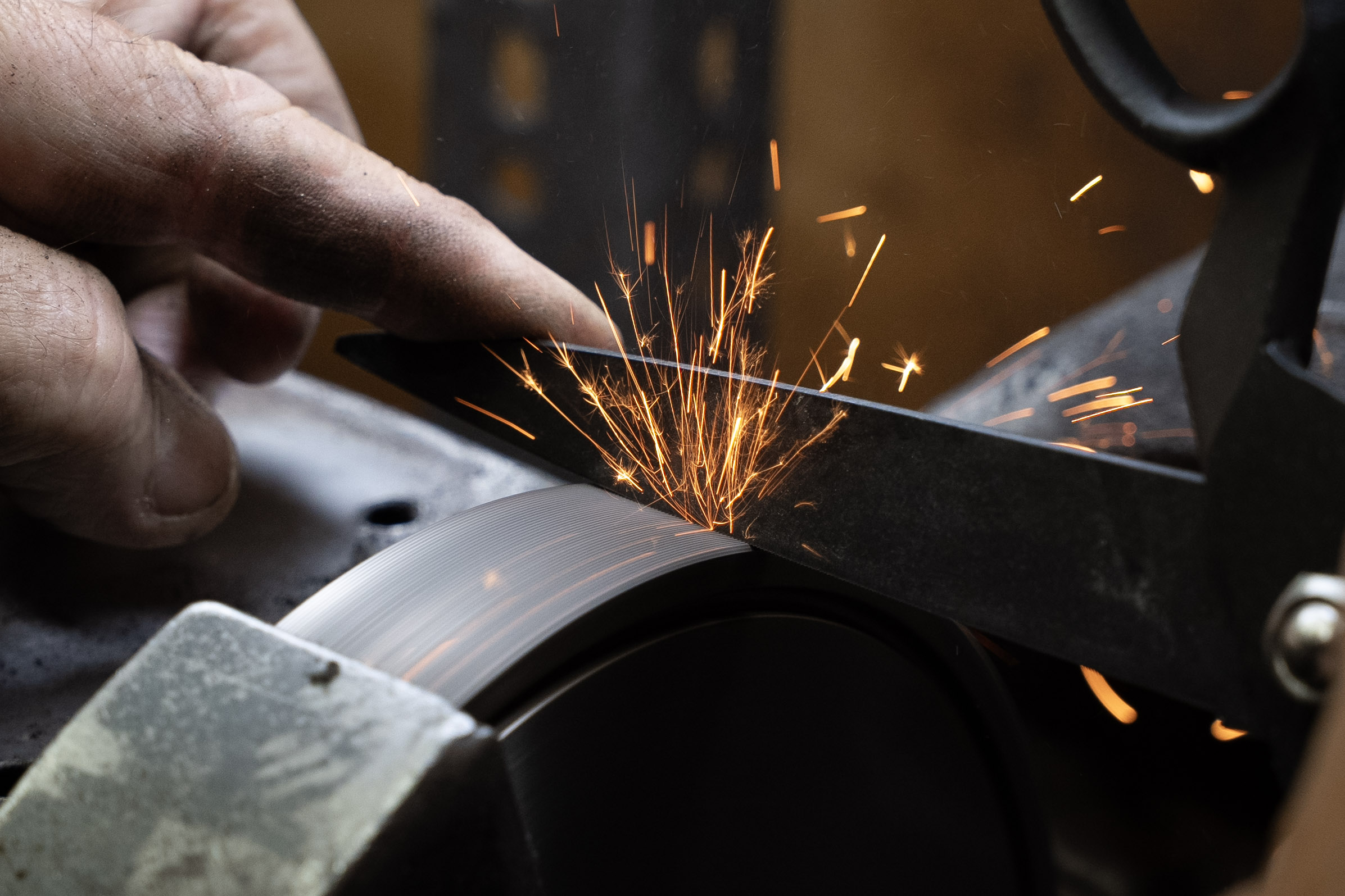
A pair of Whiteley scissors can pass through numerous processes before it reaches the customer. Forging creates the starting form, while processes such as bow-dressing, grinding, polishing, and assembly, gradually turn that piece of metal into a beautiful, functioning tool.
The final result depends on the attention given to every stage, which is why our experienced craftspeople remain at the heart of what we do. Their knowledge is passed from one generation to the next, helping to keep traditional scissor-making skills alive.
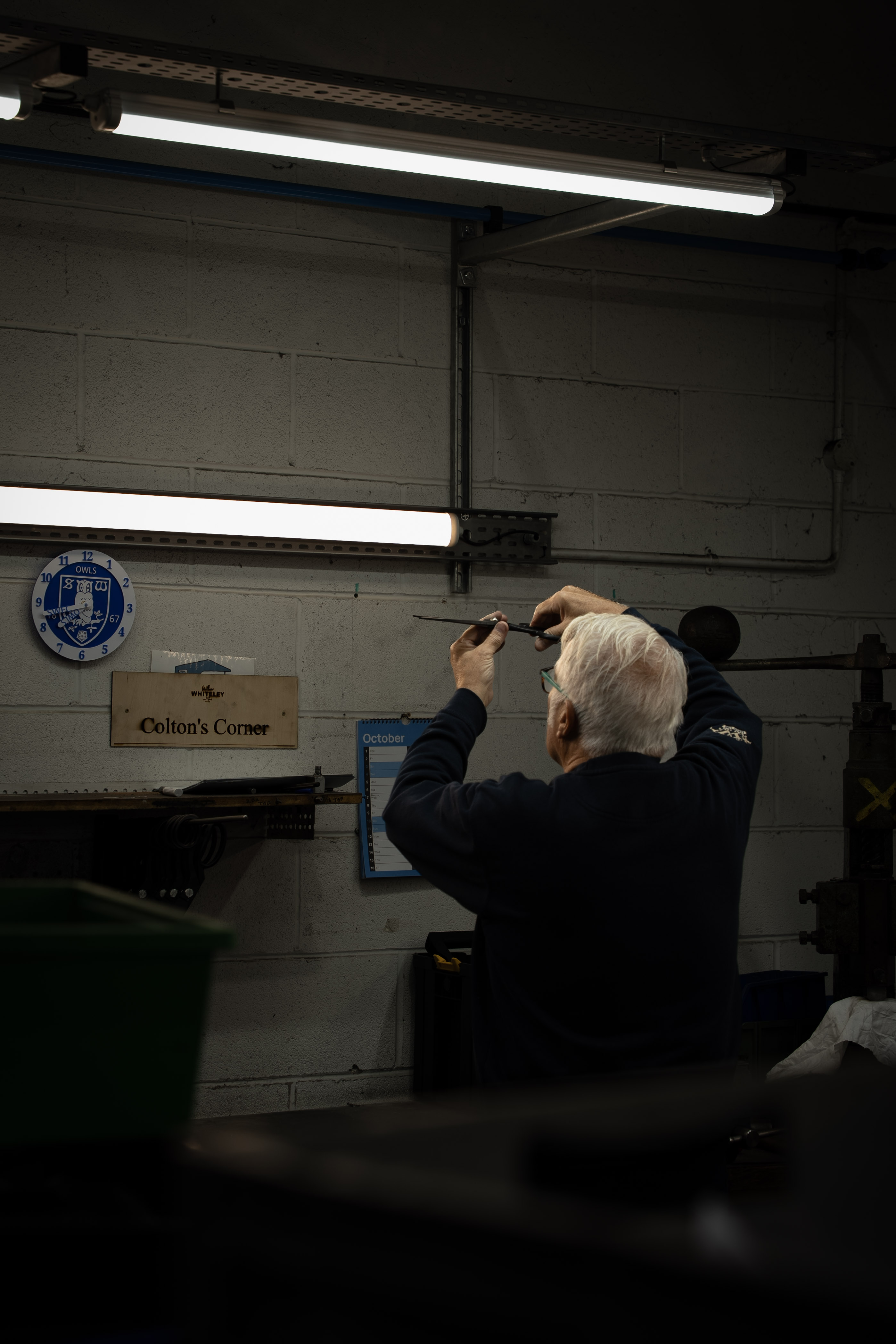
An example of this is our Master Craftsman, Andrew Colton (often referred to as Andy), who has worked for Whiteley for over 50 years. Similar to the skills passed from one generation to the next, Andy’s journey at Whiteley follows a similar path. His mother, Jean, also worked at Whiteley for nearly 50 years, which is how Andy was introduced to this wonderful craft.
To read more about Andy and Jean’s journeys at Whiteley, click here.