



Lucy Bathija
Learn about the significance of the 2st September in the Whiteley calendar.
- 21st September
- A History That May Begin Even Earlier
- Growing Alongside Sheffield
- Whiteley at the Great Exhibition
- From Sheffield Workshop to Manufacturer
- Nearly Three Centuries of Change
- From Fashion to Advanced Materials
- Generations of Craftsmanship
- Tradition Does Not Mean Standing Still
- 266 Years and Counting
21st September
For a long time, we have known that our history dates to 1760. It is a date that has formed part of our story for generations, marking the year from which our officially recorded business history begins.
What we have not known, until now, is exactly when that anniversary falls.
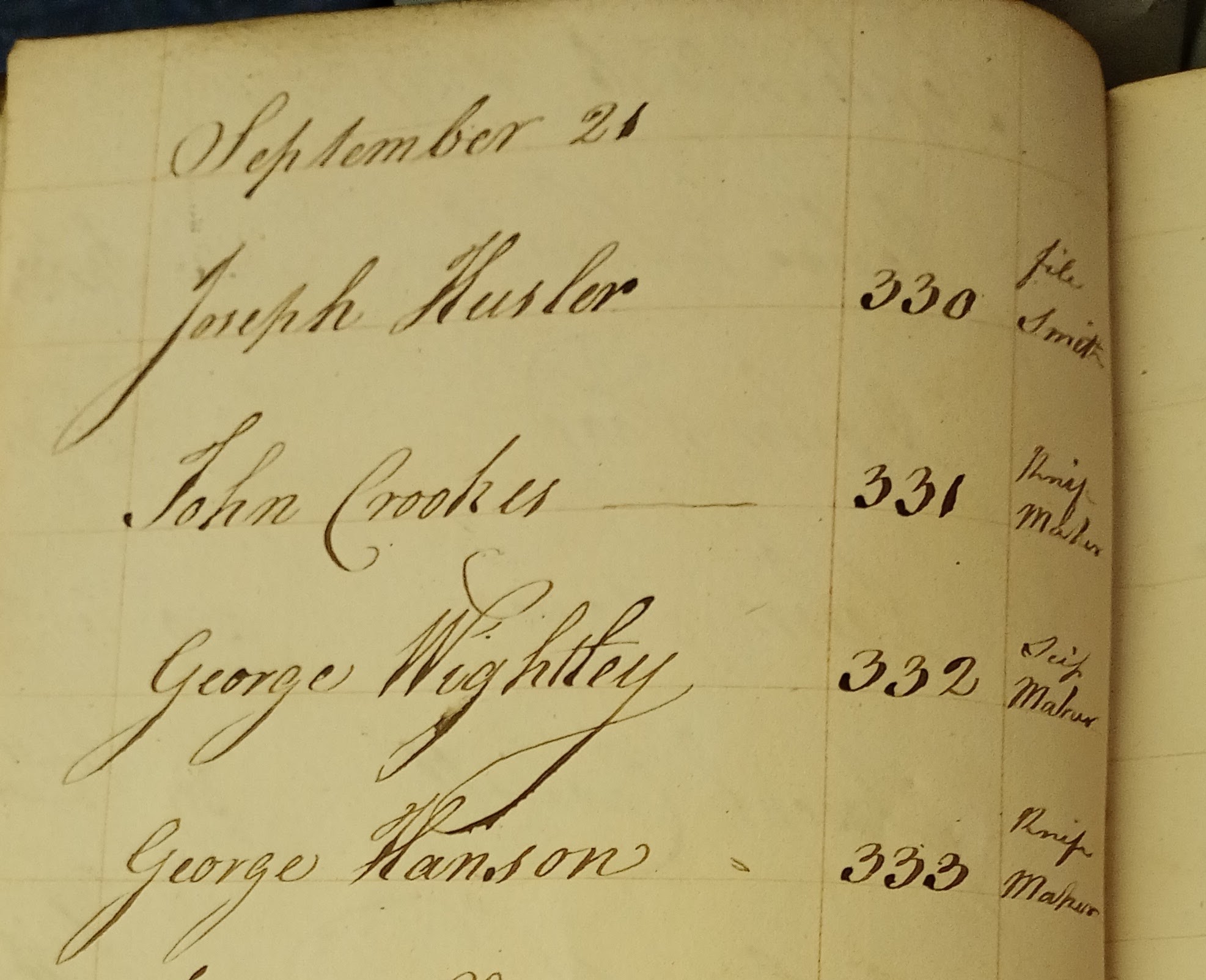
Recently, we were provided with archival information that has allowed us to identify the day, and month associated with Whiteley’s registration in 1760: 21st of September.
So, for the first time, we can celebrate not simply the year in which Whiteley’s story was officially recorded, but the exact date.
It is a remarkable milestone. Almost three centuries have passed since that date in 1760, and the world around us has changed almost beyond recognition. Britain has experienced industrial revolutions, two World Wars, periods of economic and political change, the decline of traditional manufacturing and the arrival of technologies that have transformed the way we live and work.
Through all of this, Whiteley has continued to make scissors, and, remarkably, the story reaches further back than 1760.
A History That May Begin Even Earlier
Whilst 1760 has long been recognised as the date from which we were officially founded, historical research suggests that we were operating earlier than that.
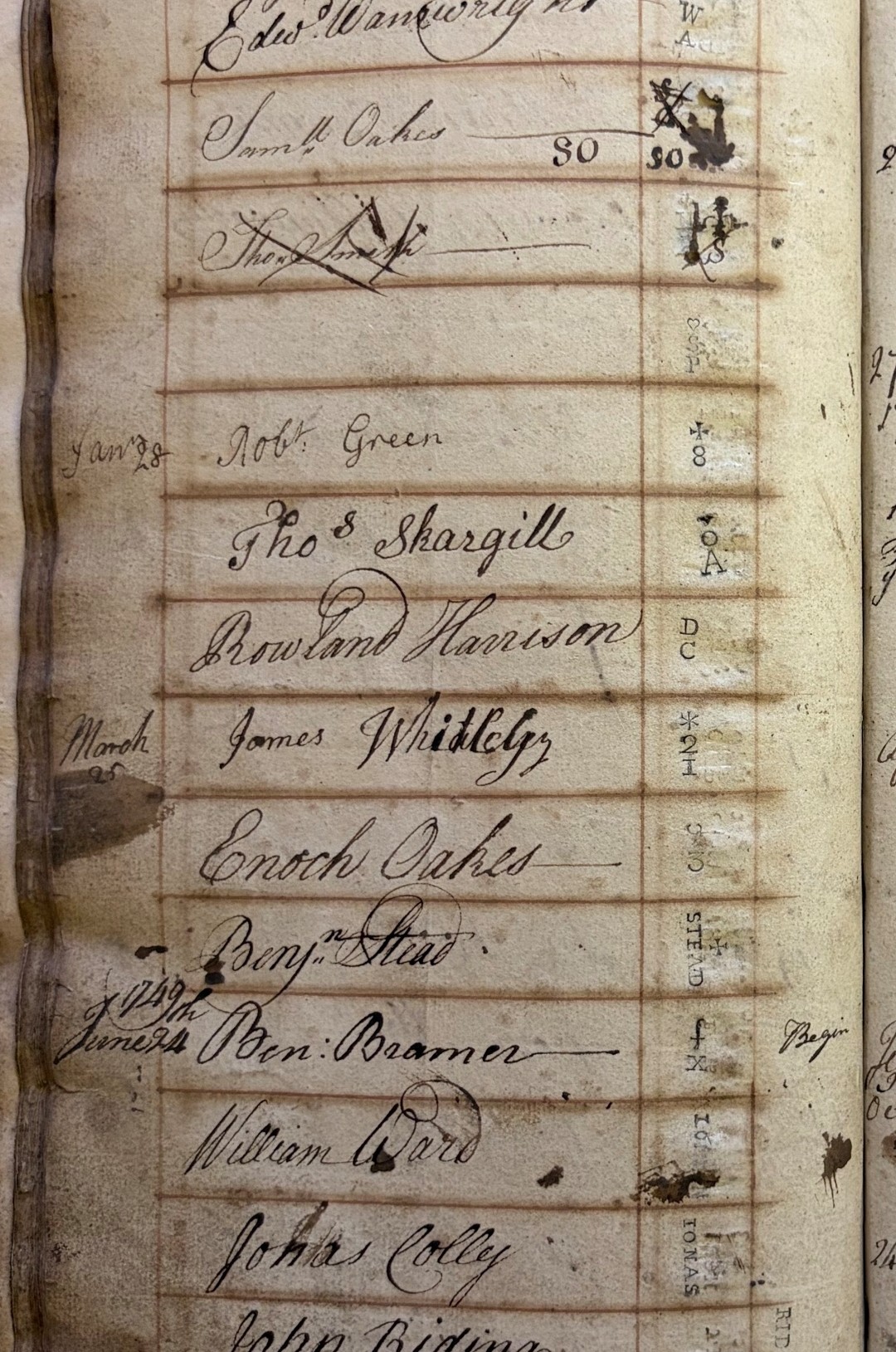
The story leads us to James Whiteley, a scissor smith working in Sheffield. In 1776, William Whiteley, the son of James Whiteley, was granted his Freedom of the Company of Cutlers – an important indication of his established position within Sheffield’s scissor-making trade. In 1791, a corporate mark ‘332’ was granted by the Company of Cutlers to George Whiteley, William’s son.
The history therefore gives us a fascinating distinction. 21st September 1760 is the date we can now mark as Whiteley’s official 266th birthday, but the roots of the family and its connection to scissor making stretch further back.
Whiteley at the Great Exhibition
In 1851, Whiteley exhibited its scissors at the Great Exhibition in London, one of the defining showcases of British industry and craftsmanship during the Victorian era.
The display included an assortment of scissors, ranging from useful everyday examples to highly ornamental pieces. Amongst them were designs featuring the forms of the snipe, swan, pheasant and stork, alongside large show scissors incorporating the Sheffield arrows and an inscription commemorating the exhibition. Our scissors went on to receive exhibition medals in London in 1851 and 1862, and in Paris in 1855.
These achievements provide an early example of something that would become a recurring theme throughout Whiteley history: taking craftsmanship beyond Sheffield and adapting it to the changing needs and opportunities of the world around it.
From Sheffield Workshop to Manufacturer
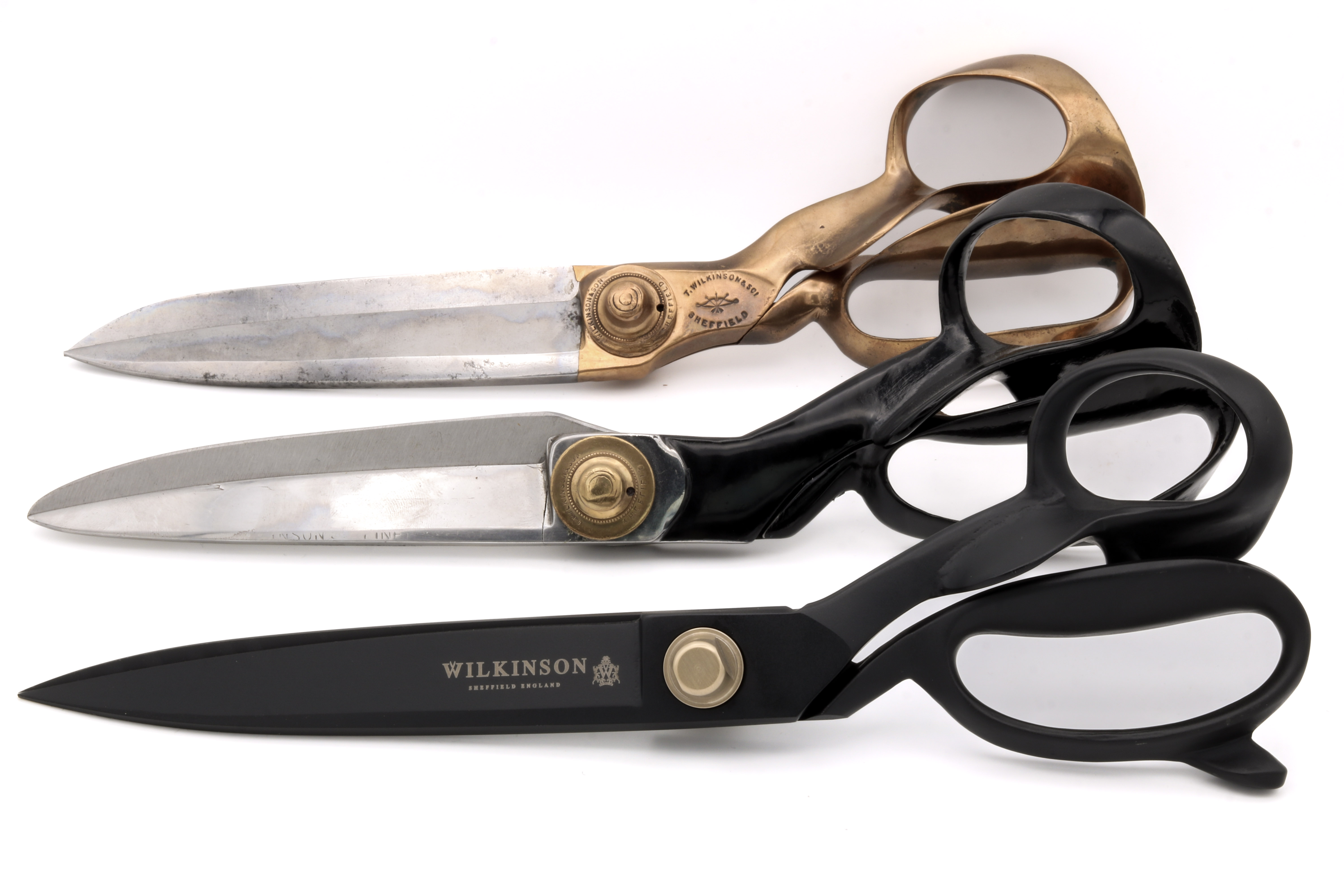
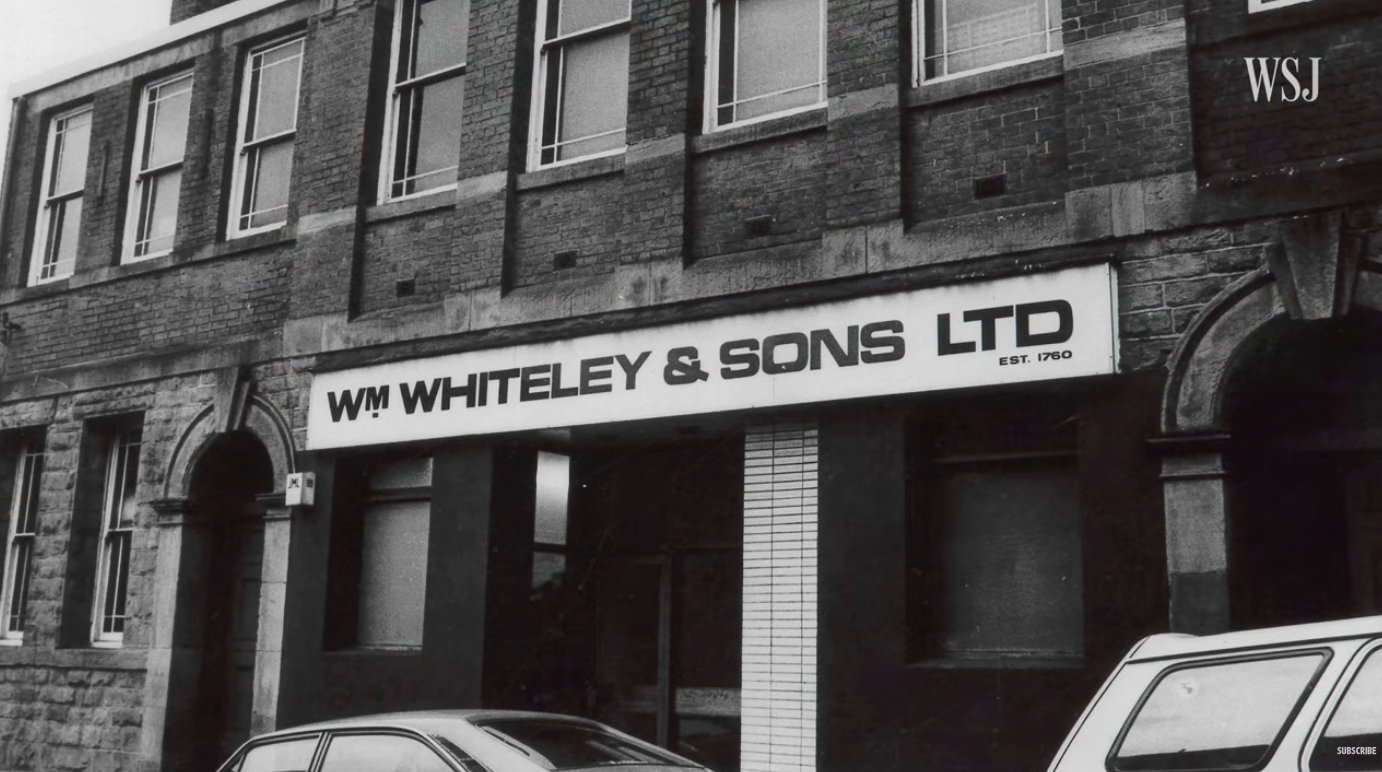
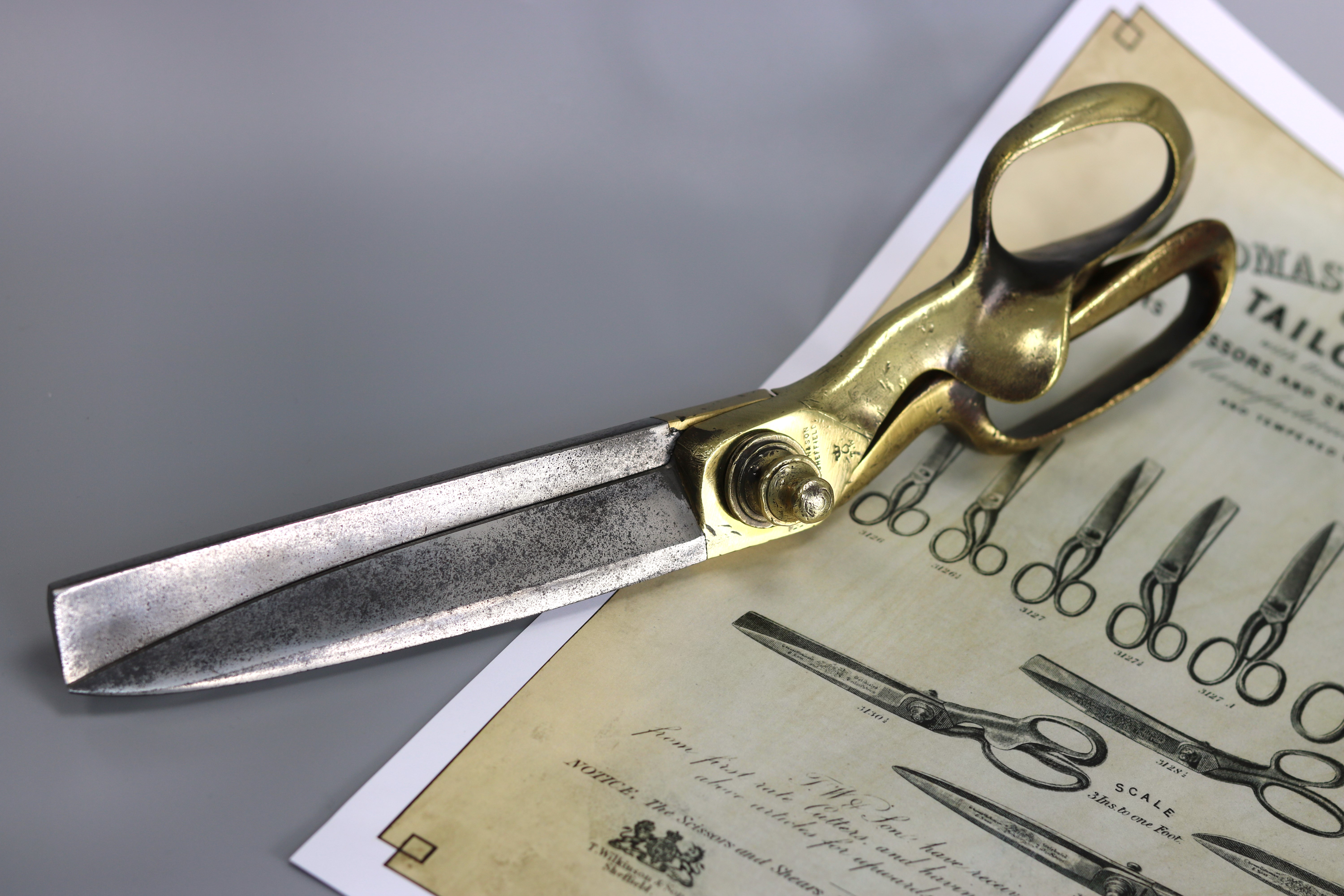
By 1871, Whiteley was operating from Phoenix Works on Rockingham Street, manufacturing many different scissors and tailors’ shears. Rockingham Street would remain our home for more than a century.
As the business grew, so did its workforce. In 1881, the firm employed 38 workers, with company history suggesting that this had grown to around 100 by the end of the decade. Around 1879, William Whiteley also acquired the assets and marks of Thomas Wilkinson & Son, another established name in Sheffield’s scissor-making history.
Whiteley had become part of the wider manufacturing landscape of Sheffield. A city whose identity was increasingly tied to steel, specialist manufacturing, and highly skilled trades.
Nearly Three Centuries of Change
It is difficult to imagine just how different the world was when Whiteley officially recorded history began in 1760.
Since then, Whiteley has lived through enormous periods of change. The Industrial Revolution transformed manufacturing. Sheffield grew into an international centre of steel and specialist production. Two World Wars brought enormous challenges and changed the nature of British industry. Economic uncertainty, changing political and social landscapes, globalisation and the decline of traditional manufacturing all reshaped the environment in which businesses operated.
More recently, the rise of modern technology and digital commerce has transformed how products are designed, manufactured, sold, and used. Whiteley wanted and needed to continue to innovate whilst keeping traditional craftsmanship at the heart of what we do.
From Fashion to Advanced Materials
Perhaps one of the clearest examples of this is the range of people and industries that Whiteley scissors have served over the years.
Our craftsmanship has found its way into the hands of some of the most respected names in British fashion and tailoring. Our craftsmen have made shears for designers including Alexander McQueen, Ozwald Boateng and Paul Smith, while our tailoring shears have also been used and endorsed by Andrew Ramroop OBE, Master Tailor and founder of Maurice Sedwell on Savile Row.
These connections demonstrate that the purpose of a pair of scissors can extend far beyond simply cutting material. For a tailor or designer, a pair of shears becomes an essential part of the creative process, where precision and consistency can make a significant difference to the finished garment.
But fashion is only one part of the modern Whiteley story.
As new materials and industries have emerged, so too have new challenges for cutting. Whiteley has developed specialist shears for some of the toughest and most advanced materials, including Kevlar, carbon fibre, glass fibre and other composite materials.
This work has taken the knowledge of a traditional Sheffield craft into areas that would have been unimaginable when Whiteley’s history was first recorded in 1760.
One particularly fitting example is our work with Sheffield Formula Racing, the University of Sheffield’s Formula Student team.
Whiteley supplied the team with specialist composite shears to assist with the manufacture of carbon-fibre components for its racing car. The team manufactured much of its car in-house, including its composite bodywork and aerodynamic components, and our shears helped them achieve clean and precise cuts when working with carbon-fibre materials.
The relationship was particularly significant because it brought together two parts of Sheffield’s identity: traditional manufacturing craftsmanship and the next generation of advanced engineering.
Sheffield Formula Racing went on to achieve an outstanding result at Formula Student UK, and the team credited our support and composite shears as being instrumental in this.
A company founded in the 18th century was helping a new generation of Sheffield engineers manufacture a carbon-fibre racing car more than 260 years later. The materials have changed, the technology has changed, the industry has changed, but the need for precise, reliable cutting tools has not.
Generations of Craftsmanship
Behind all these developments are generations of people who have carried Whiteley forward.
The historical record contains some remarkable examples of long service. Whiteley foreman Walter Parkin worked for the company for an extraordinary 75 years, having started at the age of just ten. He remained with Whiteley until his death in 1939.
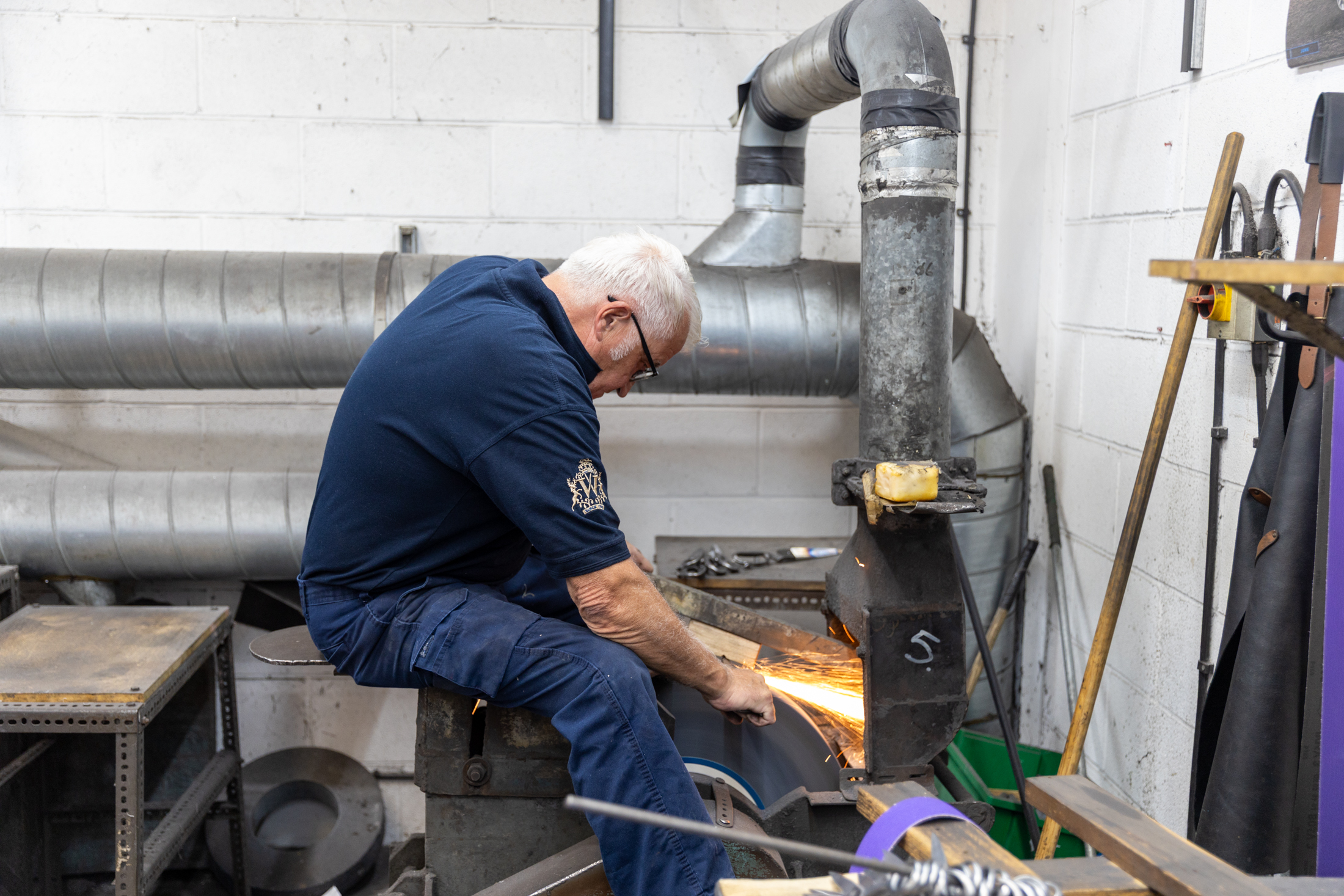
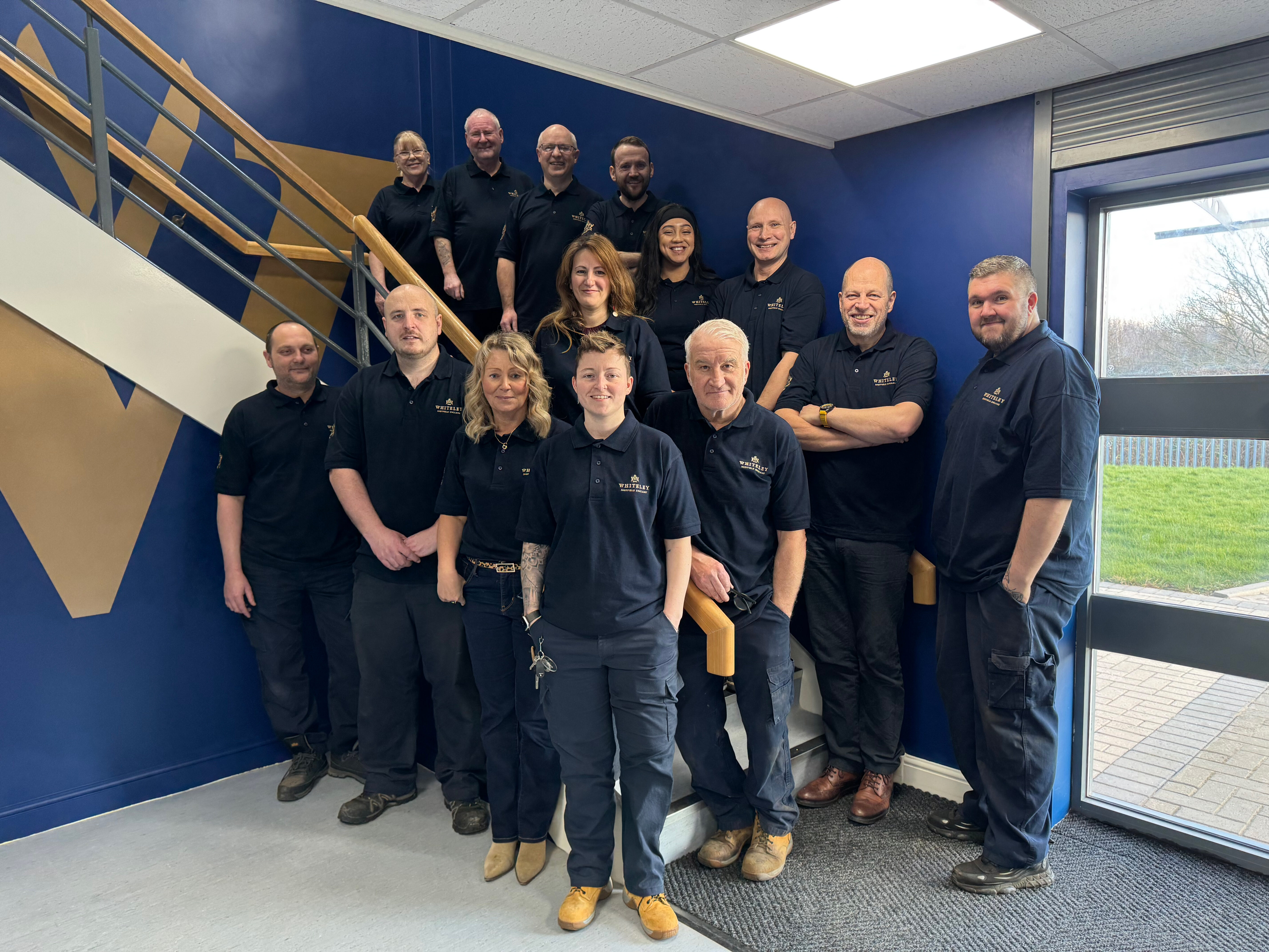
Another long-serving employee, Joseph Lloyd, retired in 1956 at the age of 83 after 70 years with the firm. Our master craftsman, Andrew Colton, has been with us for over 50 years, as well as some of our other craftsmen who have been with us for up to 30 years.
Stories such as these demonstrate that a business does not survive for 266 years through its name alone. It survives through people: the people who learn the craft, develop their skills, pass knowledge to others and continue to care about the quality of what they produce.
Tradition Does Not Mean Standing Still
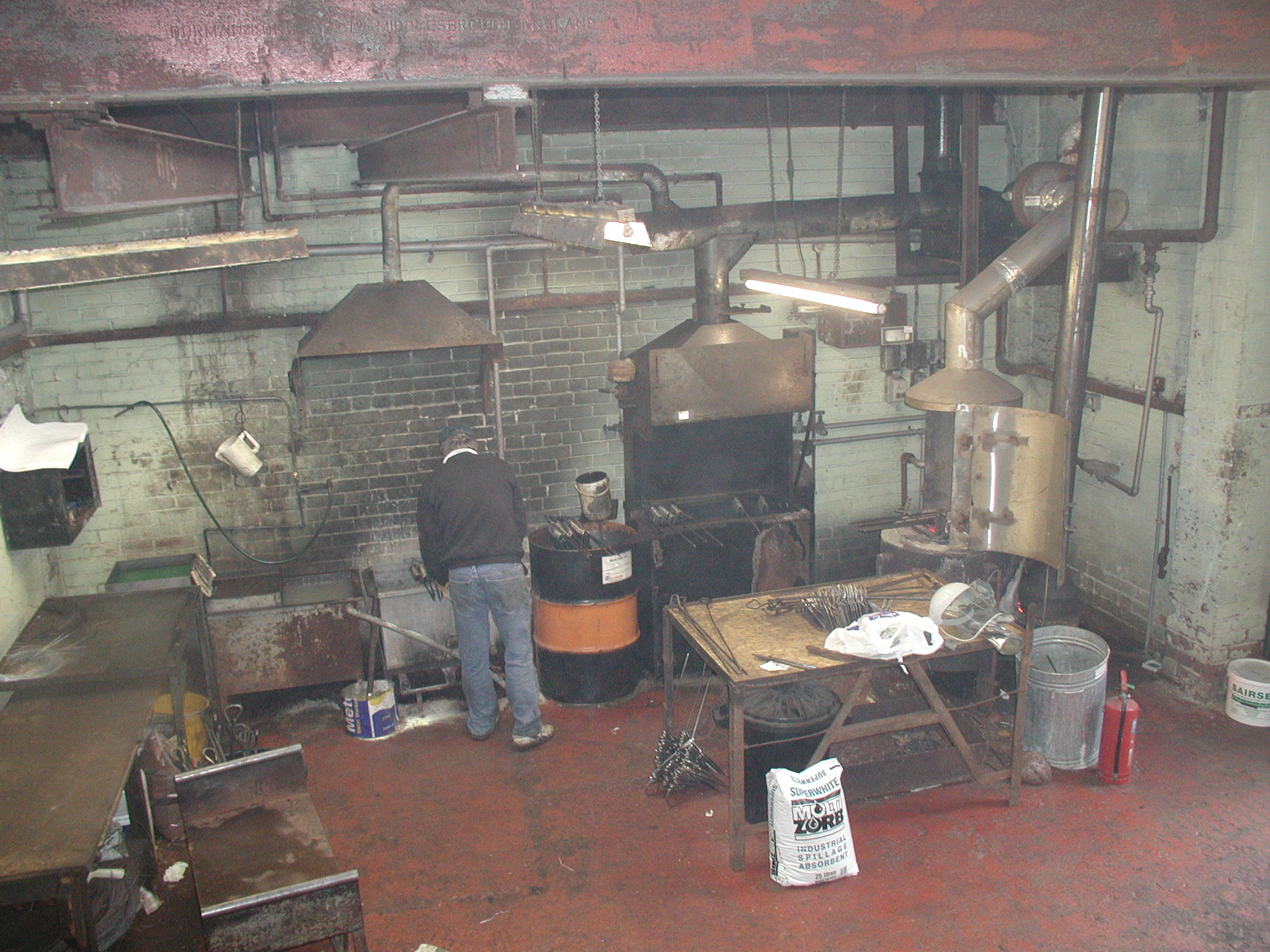
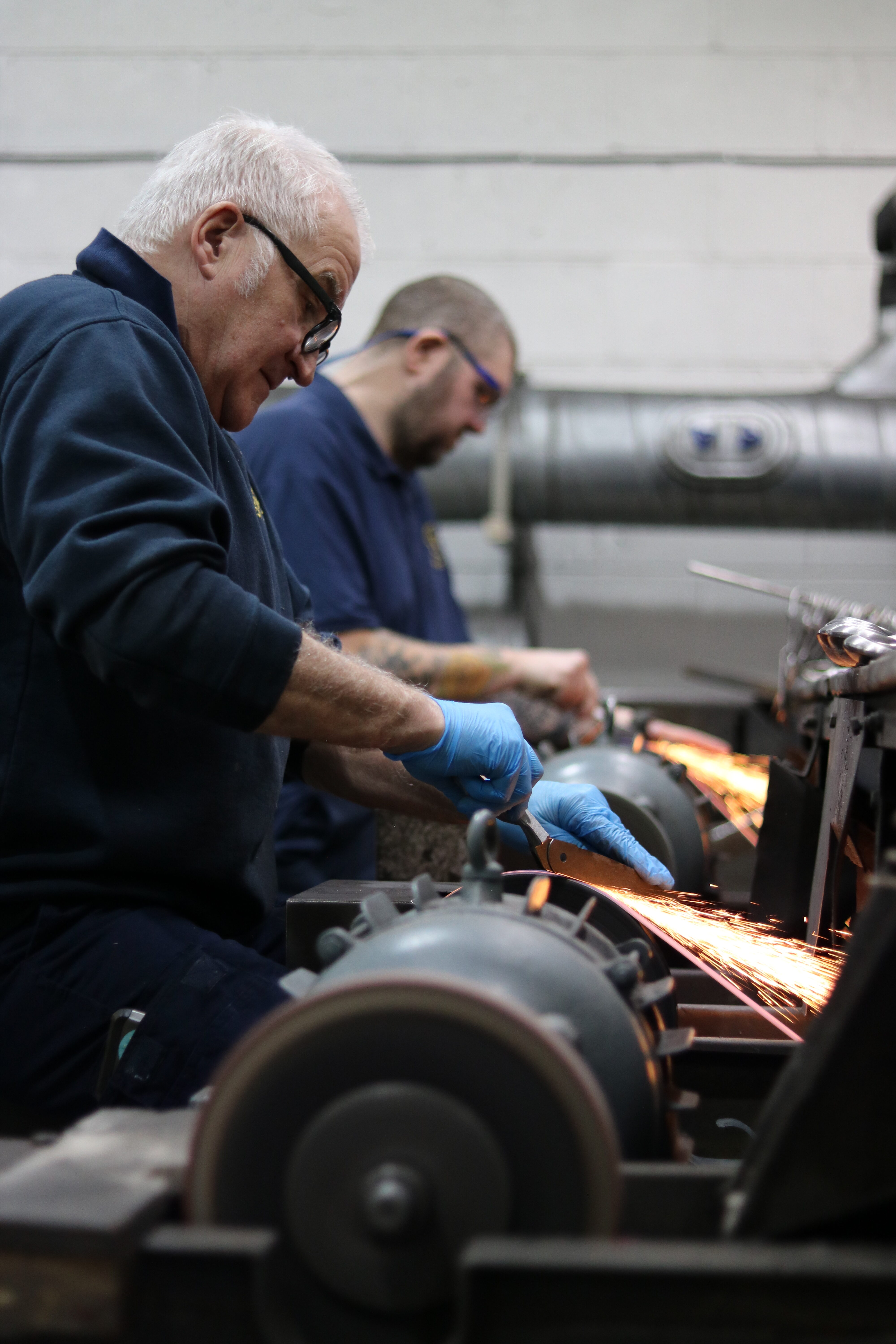
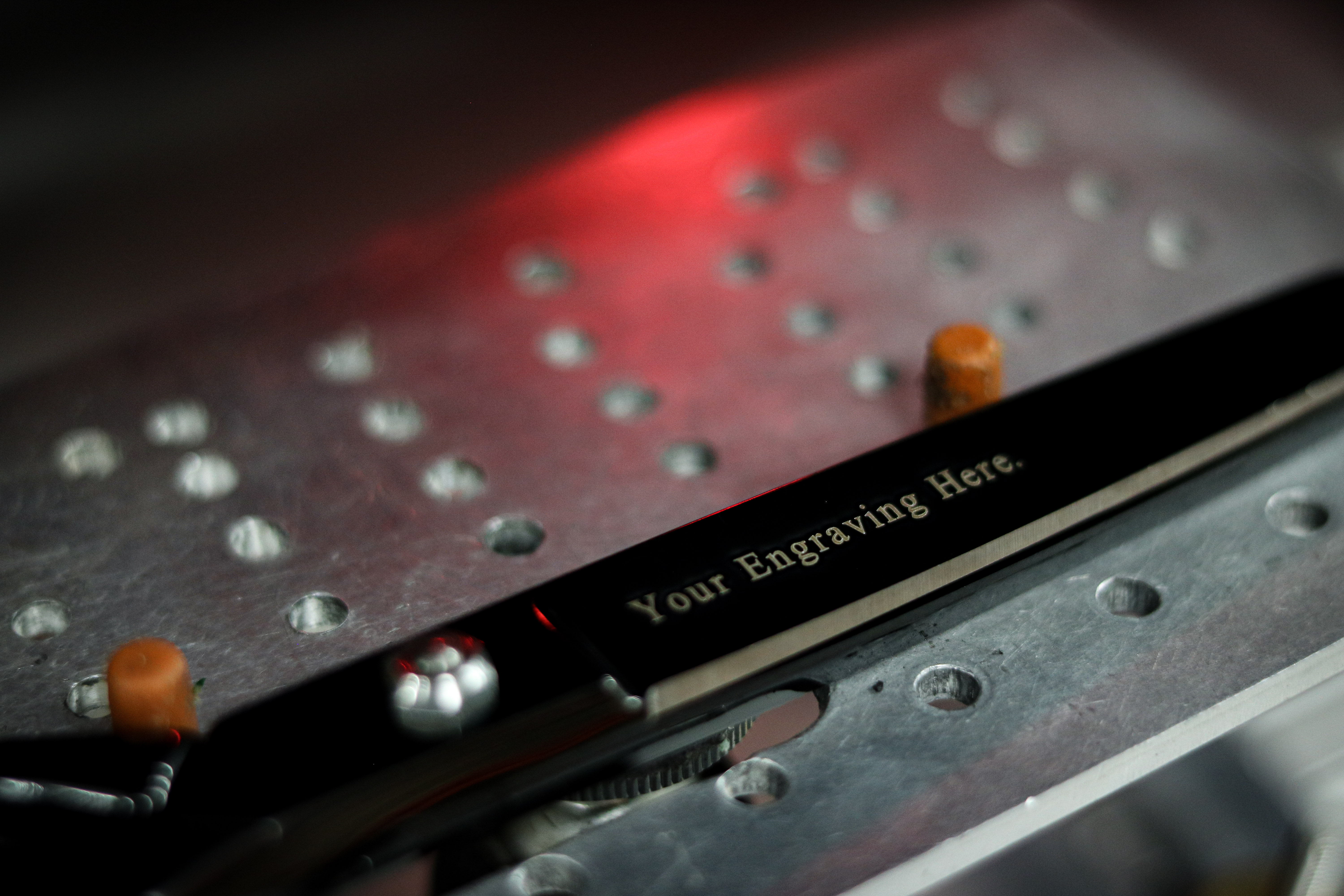
Over 266 years, the tools, machinery and processes used to manufacture scissors have inevitably evolved. Whiteley has moved premises, embraced new technologies, developed new products and adapted to changing markets, but adapting to the modern world does not mean abandoning the traditional skills that came before it.
Today, Whiteley continues to combine traditional craftsmanship with modern manufacturing, engineering and technology. The same knowledge of materials, cutting and precision that has been developed over generations can now be applied to everything from fine fabrics to Kevlar and advanced composite materials.
266 Years and Counting
Scissor making is recognised as an endangered traditional craft. The number of businesses continuing to practise the specialist skills involved has declined considerably, making Whiteley’s continued presence particularly significant.
Our 266th birthday is therefore about more than celebrating an impressive number.
It is about celebrating the people who have carried the business forward, the craftsmanship that has been passed between generations and the willingness to adapt as the world around us has changed.
It is about the scissor smiths of 18th-century Sheffield, the generations who followed them, the craftspeople who built Whiteley’s reputation around the world, and the people continuing that work today.
From Sheffield scissor smiths to Savile Row tailors, from world-renowned fashion designers to engineers working with carbon fibre and advanced composites, Whiteley scissors have continued to find their place in the hands of people who need precision.
By the late 1830s, the Whiteley enterprise was appearing in Sheffield directories, and throughout the 19th century the business grew alongside the city. Sheffield was becoming increasingly recognised for its steel and metalwork manufacturing, and Whiteley was establishing itself within this environment.
One of the most remarkable chapters of this period followed the death of William Whiteley in 1847. His widow, Elizabeth Whiteley, continued to direct the enterprise for around 15 years. In 1851, she employed 20 people and played an important role in building the reputation of Whiteley scissors.
Elizabeth was a determined businesswoman. She insisted that products were stamped ‘E. Whiteley’ and travelled considerably for the business, particularly in Ireland, where she established a strong market for Whiteley scissors.
Her story is an important part of Whiteley’s history because it demonstrates that the business was already adapting and expanding its reach during the 19th century. The Whiteley name was no longer simply associated with a Sheffield workshop; it was beginning to build a reputation further afield. As well, it was extremely rare to see both a woman and widow, lead a business through turbulent times during the mid-19th century.