


Jade Shemwell
- A good pair of scissors will cut with precision, whilst offering functionality and comfort.
- Whiteley scissors are made using traditional and established techniques, handcrafted and shaped by experienced craftsmen, setting them apart from mass-produced, lower-cost alternatives.
- We proudly champion the passing of traditional skills to the next generation, ensuring the art of scissor-making continues for years to come.
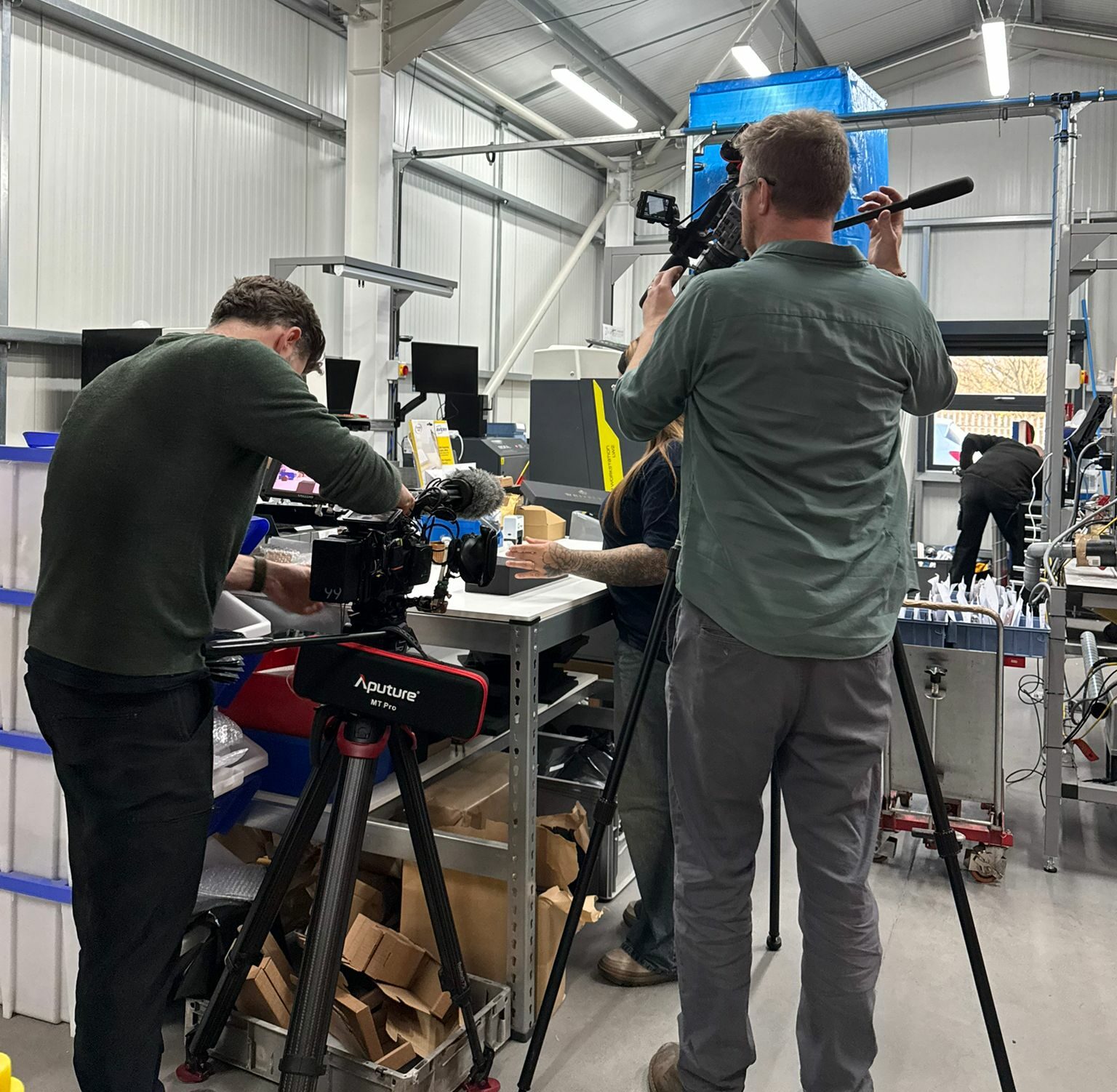
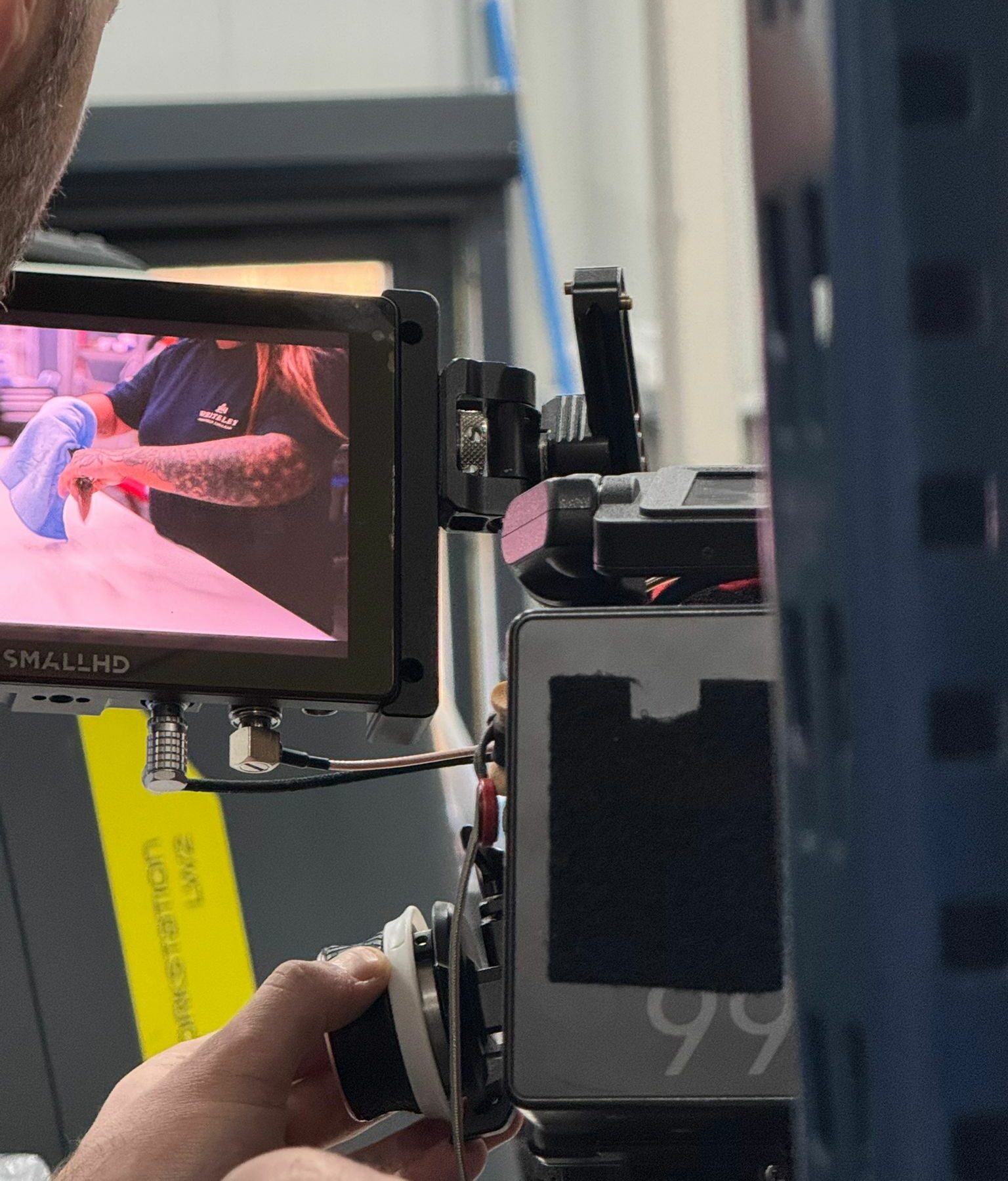
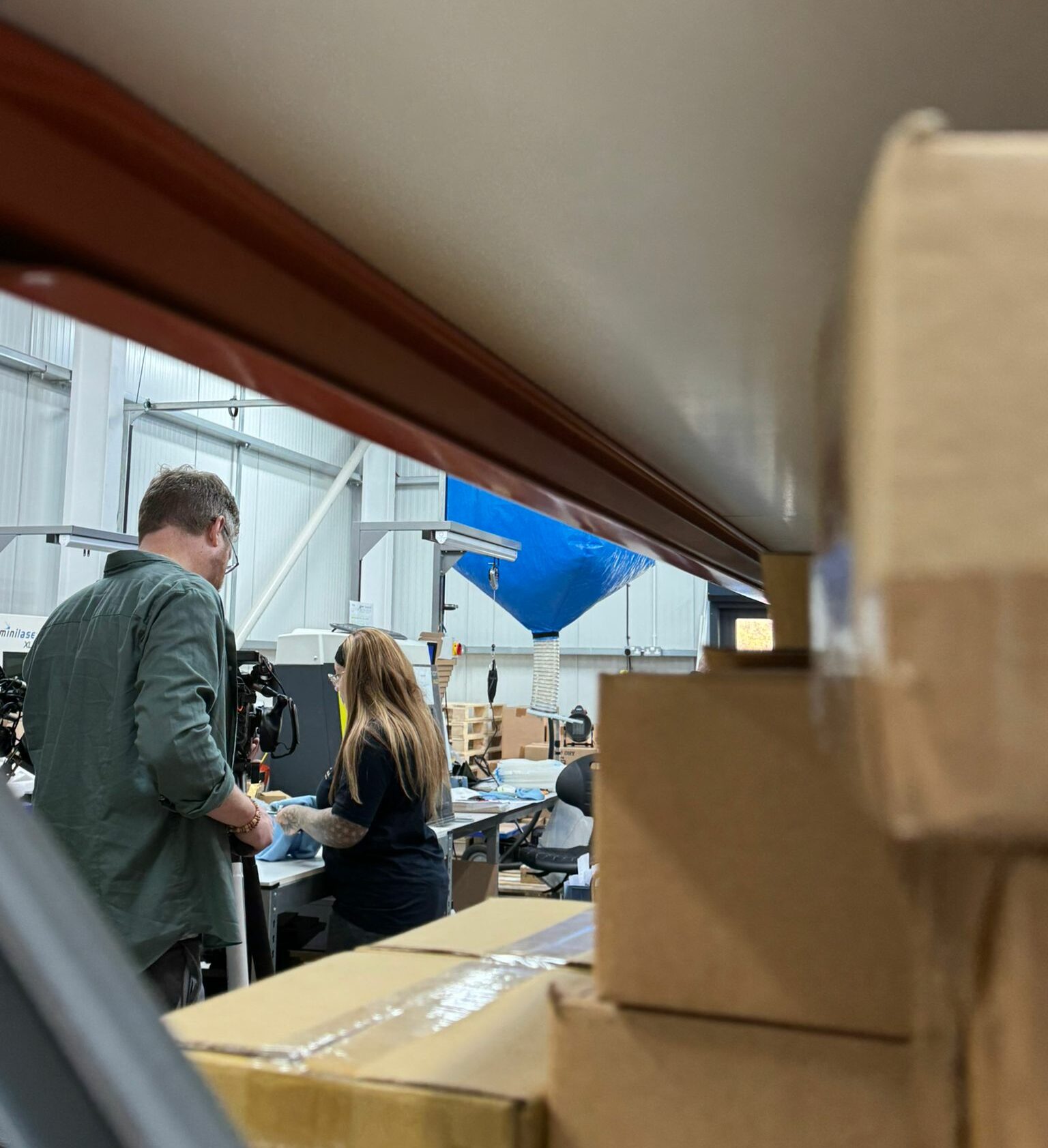
A recent visit from The Wall Street Journal to our Sheffield workshop made us reflect on 265 years of history and the heritage that comes with it. The visit also reminded us of the craftsmanship that sets Whiteley scissors apart from the mass-produced pairs commonly found in supermarkets and household stores. From the established skills passed to each new generation to the revolutionary designs still in use today, keep reading to discover why our scissors can’t be made by machines.
Mastering Every Cut: The Crafting Process
While handcrafted products are highly valued, many people choose mass-produced alternatives, which cannot match the quality and precision found in British manufacturing.
Although mass-produced scissors have created some challenges for us, it has also given us the motivation and determination to champion traditional scissor making techniques.
Each pair of scissors has a variety of processes they need to go through to ensure they are of the highest quality before being handed to our customers.
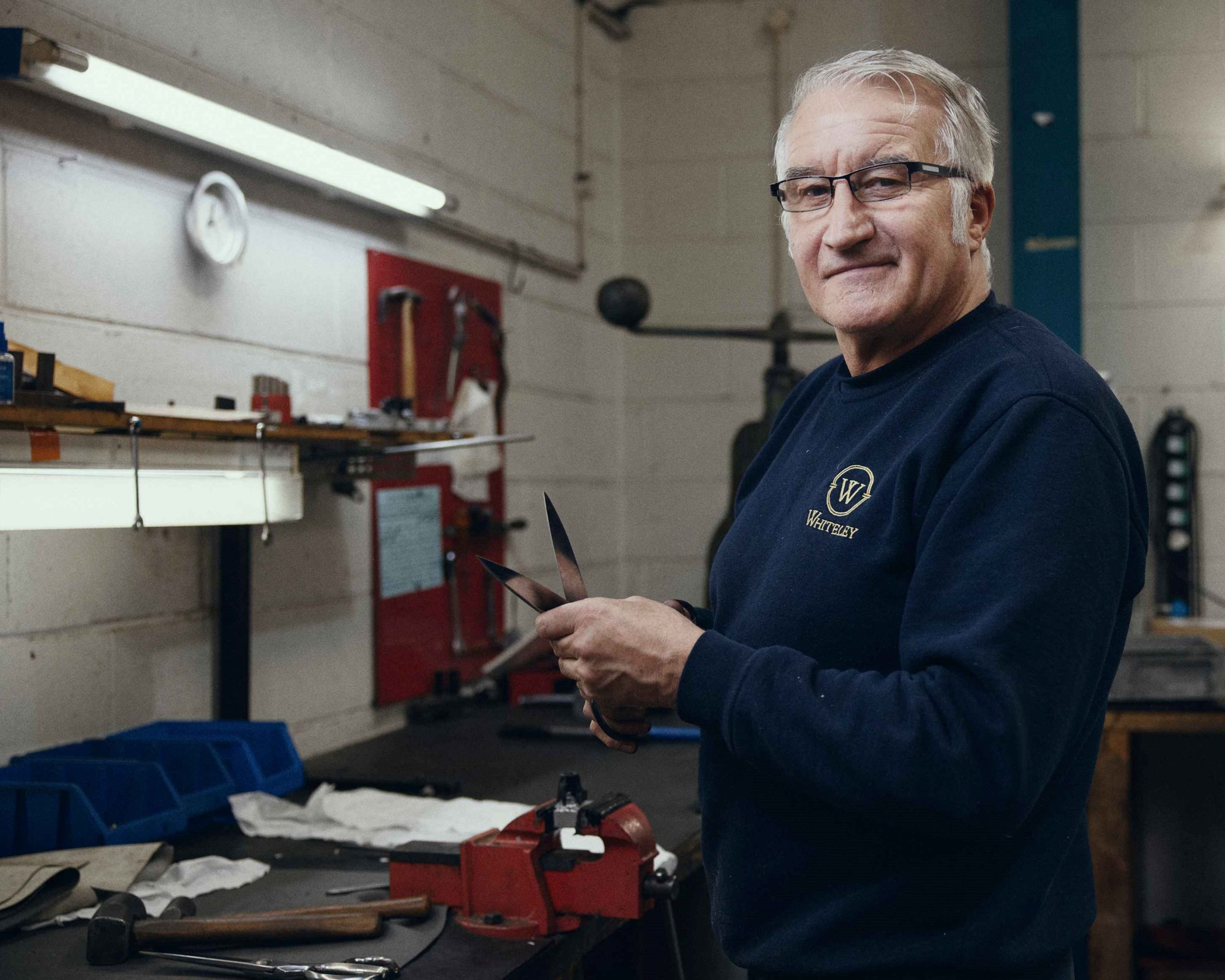
At our workshop in Sheffield, each pair of scissors begins with a forged metal bar (also known as a blank), which is trimmed. From here, our craftsmen go through the process of bow-dressing, carefully sanding down every surface of the blanks, before drilling and tapping where the pivot screw will be inserted.
The blanks are hardened and rumbled to ensure the handles are malleable enough to be worked, whilst smoothing the rough surfaces. Our craftsmen then grind the blades to create precise, sharp edges. This is a finish you cannot get as easily or accurately on a machine.
The scissors then go in for final assembly and inspection, with some receiving different coatings or painted handles. The final process is the engraving, where our scissors receive laser markings on the blades.
In upholding these processes, we preserve a craft that has stood the test of centuries. Each pair of scissors leaving our workshop is a testament to the value of skill and heritage in an age dominated by mass production.
Forging the Future of Scissor-Making: The Next Generation
At Whiteley, we are aware that scissor-making is at risk of becoming a dying craft, due to it being an art that can take years to learn, and decades to master. Over the past few years, we have encouraged and welcomed more young people into our workshop, where they are mentored and trained under the close guidance of our experienced craftsmen. Today, a new generation of skilled scissor-makers not only continues the legacy of Whiteley but also champions the art of scissor-making, ensuring it remains a craft for the future.
To ensure that traditional scissor-making skills, and the craft as a whole, are sustainably carried forward into future generations, it is essential that we encourage young people to seek opportunities within the trade. We have the unique opportunity to foster craftsmanship early on, and to support those who choose to pursue it as a vocation.
The next generation will play a pivotal role in the future of Whiteley, carrying the business forward while remaining firmly rooted in heritage.
Watch the full WSJ documentary here to learn more about our heritage and why handcrafting is so important:
As the oldest scissor manufacturer in the Western world, our journey began in 1760 in Sheffield, United Kingdom – the city we still call home. Born and bred in Sheffield, a city celebrated for its steel and manufacturing excellence, we craft Whiteley scissors reflect this reputation, forged through generations of skill and innovative design.
But what makes a good pair of scissors? The answer is in the cut.
If you are a tailor, or you work with fabrics, you need a tool that can not only cut through all manner of cloths with guaranteed precision, but one that will last you a lifetime.
We have continued to design tools for the tailoring industry since our workshop opened by adapting and improving our shears and scissors to match the growth and transformation of the industry. Our Master Craftsman, often referred to as a Master ‘Putter-Togetherer’ in Sheffield, Andrew Colton, has made tailoring shears for pioneers of the fashion industry such as Alexander McQueen, Ozwald Boateng, and Paul Smith.
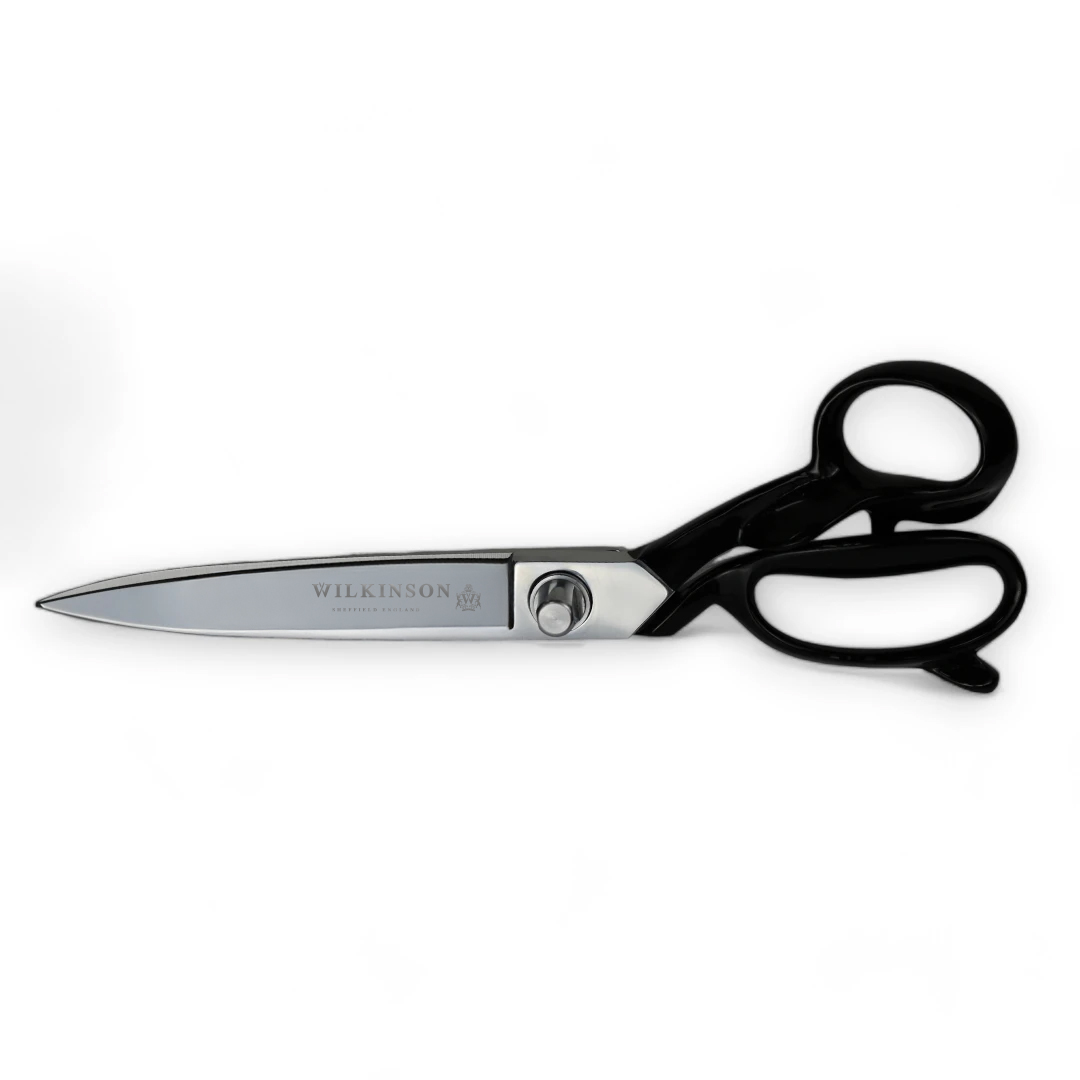
Our legacy lies in purpose specific designs such as our range of Wilkinson shears, which can be used for a variety of applications. Whiteley incorporated neighbouring Sheffield scissor-makers and cutlers, Thomas Wilkinson & Sons, in 1875. The Wilkinson shears, made with durable high-grade steel, and feature the signature sidebent handle, meaning the finger rings are slightly offset from the blades, for smooth and controlled cuts across various fabrics and materials.
We continue to carry forward Wilkinson’s craftsmanship and designs, preserving the legacy of a firm once appointed as scissors manufacturers to Queen Victoria and Prince Albert Our links to British royalty have extended beyond the 1800s, with a set of sewing and embroidery scissors for Queen Elizabeth II, made in 2003.
It is not just our designs which make us a cut above the rest. We often hear from customers who share their stories and experiences with Whiteley. A recent story we heard was from Victoria Townsend, founder of The London Academy of Bespoke, who has a 120-year-old pair of the signature sidebent fabric shears. Passed from generation to generation, they are still delivering precise cuts after more than a century of use.
Mass production cannot replicate the bespoke craftsmanship of handmade scissors. At Whiteley, we prioritise quality over quantity, forging each pair of scissors with techniques to create tools designed to last a lifetime.