



Lucy Bathija
Learn why Sheffield is recognised as the birthplace of modern football, and how the city’s steel and manufacturing heritage helped shape the environment in which the game developed.
Why Sheffield is Known as the Home of Football
International football tournaments, such as the World Cup, bring excitement to millions of fans and often introduce new spectators to the beautiful game. With this in mind, and considering football’s deep links to Sheffield, it seemed only right to look back at the roots of the sport we watch and love today.
Many countries and cities have played a role in football’s development, but few can claim an influence quite like Sheffield. Our city helped establish many of the foundations upon which the modern game was built.
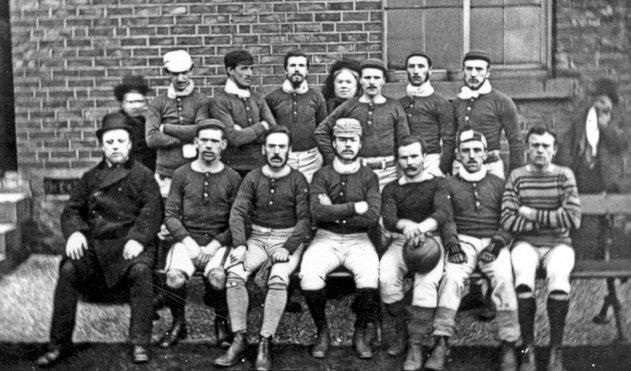
In 1857, two Sheffield locals and keen cricketers, Nathaniel Creswick and William Prest, founded Sheffield FC. You may be wondering how two men from Sheffield, whose primary sport was cricket, helped shape what would become the world’s most popular game.
Cricket in England is a summer sport, requiring dry pitches and fair weather. Unfortunately, England is not exactly famous for providing either. Whilst the British weather doesn’t often receive glowing reviews, it deserves some credit here. Faced with long, cold winters and few opportunities to play cricket, Creswick and Prest began looking for an alternative way to stay fit during the colder months.
At the time, football existed in many different forms. Schools, towns and clubs often played by their own versions, making it difficult for teams from different areas to compete against one another. There was no single set of rules for the game, and matches could vary significantly depending on where they were played.
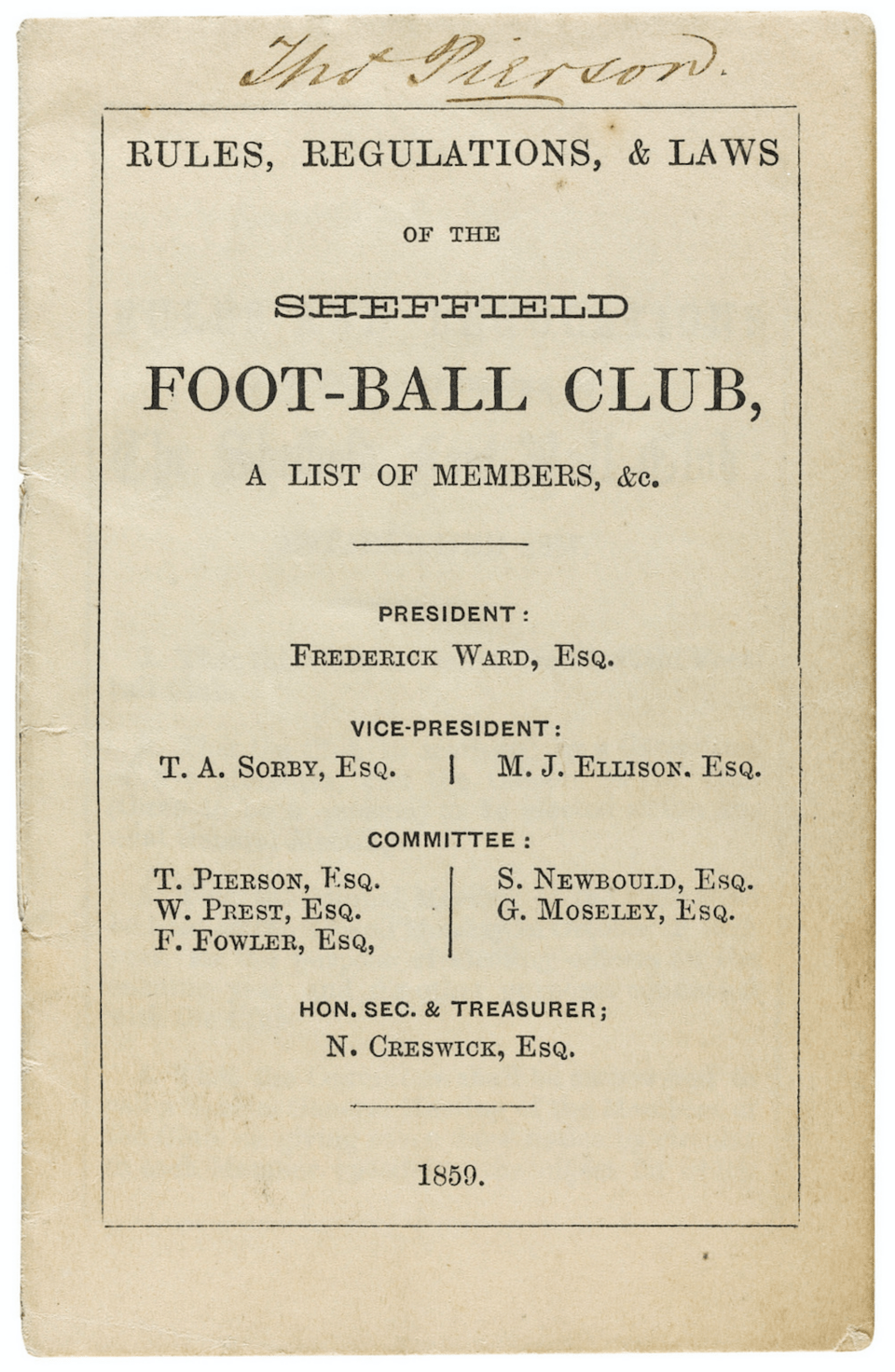
Recognising the need for a better structure, members of Sheffield FC began documenting and formalising how the game should be played. In 1858, the club produced what became known as the Sheffield Rules, one of the earliest written codes of football. These rules helped bring consistency to the sport and introduced ideas that would later become familiar to football fans around the world. Around the same period, innovations emerging from Sheffield football helped influence the wider game, including developments that would eventually contribute to corner kicks, free kicks and crossbars becoming part of football’s laws.
By the late nineteenth century, Sheffield had firmly established itself as one of football’s most important cities.
The Shared Legacy of Industry and Football
Football’s evolution in Sheffield was not a coincidence; it was closely linked to the city’s industrial success.
During the nineteenth century, Sheffield became one of Britain’s leading cities for steelmaking and manufacturing. As factories, workshops and businesses flourished, so did the city’s population. Communities grew around workplaces, bringing people together through shared trades, social clubs, and sporting activities.
With thousands of workers looking for recreation outside the factory gates, organised sport became an important part of life. Clubs, like the one formed by Nathaniel Creswick and William Prest, sought ways to keep members active, leading to the formation of multiple football clubs across the city. Evolving from informal matches into organised tournaments that attracted players and spectators alike.
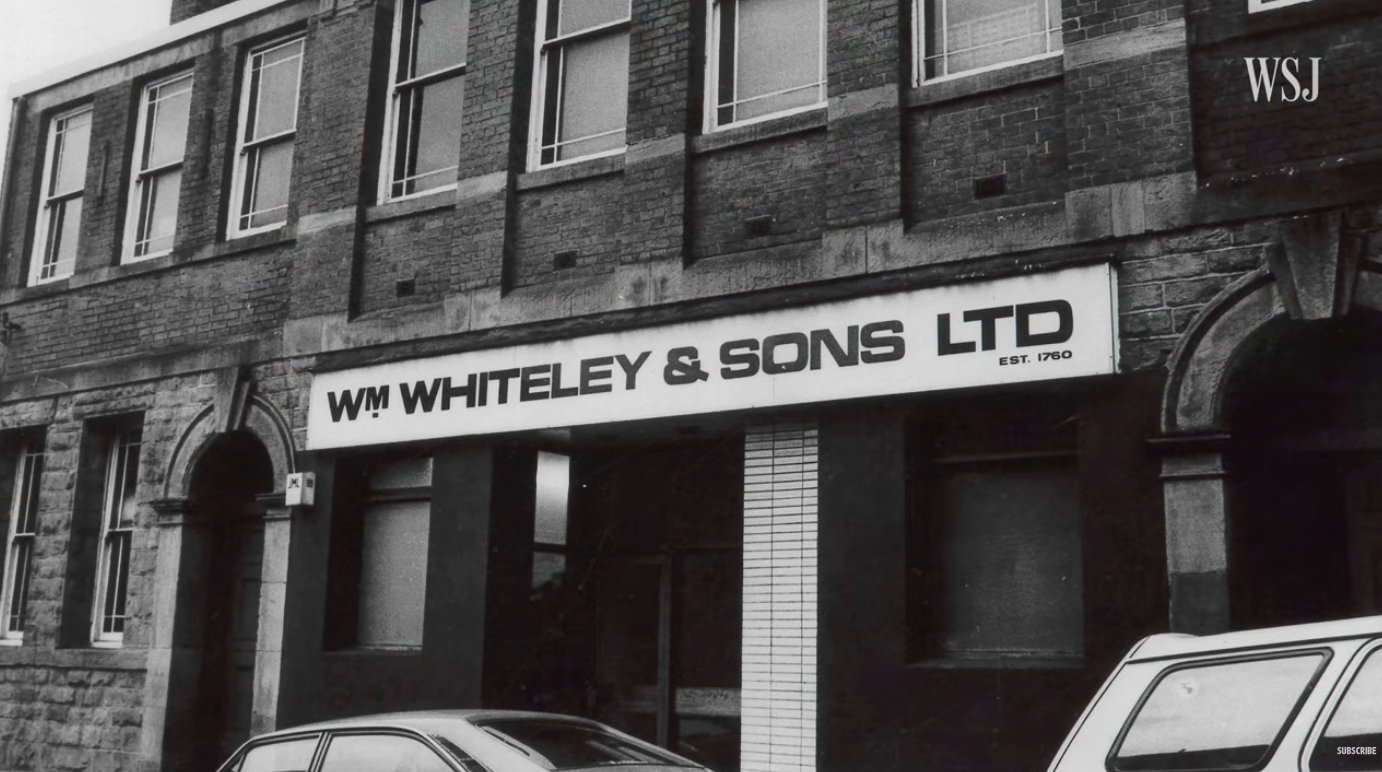
Since 1760, Whiteley had already been part of Sheffield’s manufacturing story for almost a century before Sheffield FC was established. As the city was forging a global reputation for craftsmanship and innovation, modern football was simultaneously forging its own identity which went on to influence the world.
Sheffield’s industrial heritage did not just shape the city; it helped create the environment in which modern football could thrive.

Sheffield’s Footballing Icons
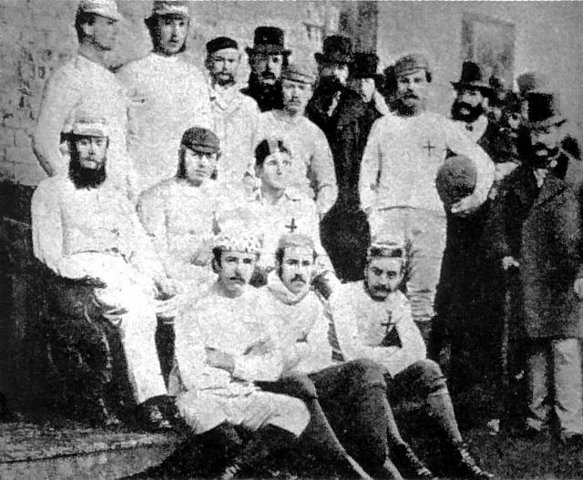
Sheffield’s influence on football is not only represented with the founding of the world’s oldest football club. More than 160 years later, the city continues to be represented by its historic clubs, iconic stadiums, and players who have made their mark on the game. At the heart of the city’s footballing identity are Sheffield United and Sheffield Wednesday.
Sheffield United’s nickname, “The Blades,” is a tribute to Sheffield steel and tool industries, proudly reflecting the city’s manufacturing heritage. The club has a proud history, winning the First Division title in 1897-98, lifting the FA Cup four times, and calling the historic Bramall Lane home, which is one of the world’s oldest professional football grounds.
Founded in 1867, Sheffield Wednesday is one of England’s oldest and most successful football clubs. The Owls have won four First Division league titles, three FA Cups, the League Cup and the FA Community Shield, while Hillsborough Stadium has become one of English football’s most recognisable venues. Beyond club football, Hillsborough has welcomed FA Cup semi-finals, England internationals and served as a host stadium during UEFA Euro 1996.
Sheffield has also produced some of England’s most celebrated footballers. Gordon Banks was England’s goalkeeper during the nation’s historic 1966 FIFA World Cup win and is widely regarded as one of the greatest goalkeepers in football history. Four years later, at the 1970 FIFA World Cup match against Brazil, he produced what is often referred to as “the save of the century,” stopping Pelé’s header with a remarkable save that remains one of football’s most iconic moments.
More recently, Sheffield is home to England internationals including Kyle Walker, Harry Maguire, Jamie Vardy, Billy Sharp, Dominic Calvert-Lewin and Ellie Roebuck, while the wider South Yorkshire region has nurtured players such as John Stones and Millie Bright, demonstrating that both Sheffield and South Yorkshire as a region continues to produce talent capable of performing on football’s biggest stages.
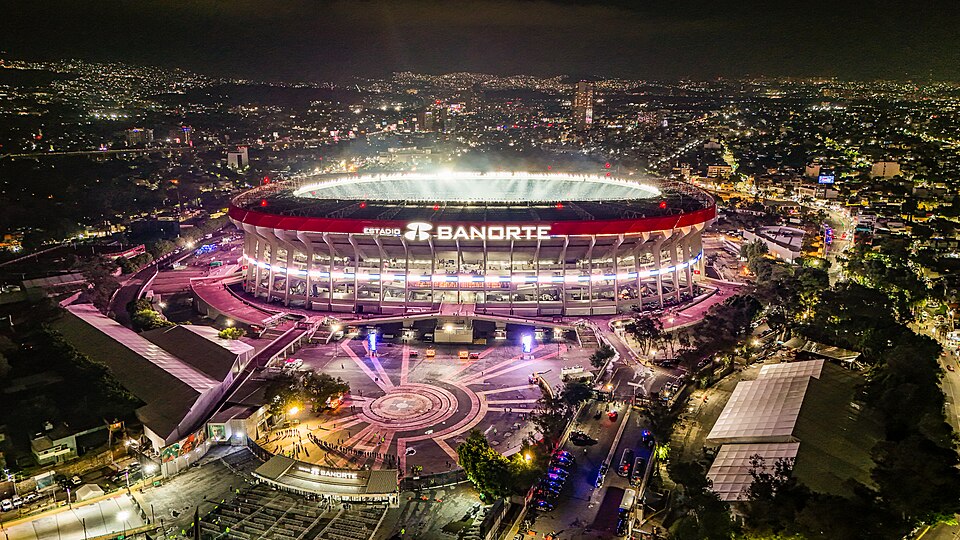
A Full-Circle Moment at the Azteca
England’s 3-2 victory over Mexico in the 2026 FIFA World Cup Round of 16 was more than just a place in the quarter-finals. Winning at the Estadio Azteca is one of football’s toughest challenges, with the combination of the stadiums altitude, history, and passionate home support making it one of the most iconic venues.
For Sheffield, the result carried an extra layer of significance. Almost 60 years earlier, Sheffield Wednesday became the first English club to play at the Azteca and defeat a Mexican club (Toluca) at the Azteca.
Whilst England’s victory came against Mexico’s national team on football’s biggest stage, it echoed a piece of Sheffield’s own football history. It was another reminder that, from helping shape the modern game to leaving its mark at one of the world’s most famous stadiums, Sheffield’s footballing legacy continues to appear in remarkable places.
The city’s footballing history lives on through its clubs, stadiums, and players, ensuring the ‘Home of Football’ is cemented in the sport’s future as well as its past.
Photo credits:
ProtoplasmaKid: https://commons.wikimedia.org/wiki/File:Estadio_Azteca_2026_-_06.jpg
Sheffield FC: https://commons.wikimedia.org/wiki/File:Rules,_Regulations,_%26_Laws_of_the_Sheffield_Foot-Ball_Club_(front_page)_1859.png
Sport.pl: https://commons.wikimedia.org/wiki/File:Sheffield_FC_1857.jpg
https://commons.wikimedia.org/wiki/File:Sheffield_fc_1876.jpg
Football’s history is not just about the players on the pitch; it is also about the skilled craftspeople working behind the scenes.
Before automation transformed manufacturing, football kits were carefully cut and sewn by hand using specialist scissors and shears, while historical leather footballs were made by cutting individual leather panels before stitching them together. Precision tools played an important role in producing the equipment that made the game possible.
Today, cutting tools continue to support football behind the scenes. Physiotherapists and medical teams use them to cut tape, bandages and protective equipment during matches and training, while grounds staff rely on hand shears for detailed maintenance around pitches and stadiums.
Sheffield’s spirit of innovation extended beyond manufacturing. In 1878, Bramall Lane (now known as the home of Sheffield United) hosted one of the world’s earliest floodlit football matches, demonstrating how new technology could transform the game and paving the way for football to be played out of daylight hours.